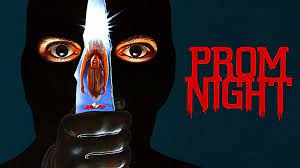
“Prom Night” (2023)
Horror

Running Time: 93 minutes
Written by: William Gray
Directed by: Paul Lynch
Featuring: Jamie Lee Curtis and Leslie Nielsen
Kim: “You seem a little anxious, Wendy. By the way, who are going with tonight?”
Wendy: “It’s not who you go with, honey. It’s who takes you home.”
“Prom Night,” directed by Paul Lynch and released in 1980, stands as an enduring pillar in the annals of slasher cinema, epitomizing the horror trends of its time. As a quintessential example of the genre, the film not only capitalized on the success of other late ’70s horror classics but also showcased its own unique take on the formula, setting the stage for the slew of prom-themed horror films that would follow.
At its core, “Prom Night” follows the tale of a group of high school friends who are tormented by a mysterious killer on their prom night, years after a tragic incident involving a young girl named Robin Hammond. As the evening unfolds, the past comes back to haunt the protagonists, and the identity of the masked murderer becomes a central mystery. The film smartly blends elements of suspense, drama, and whodunit, weaving a narrative that keeps viewers guessing until the climactic reveal.
The casting of Jamie Lee Curtis as the lead, a few years after her breakout role in “Halloween” (1978), lent an immediate air of credibility to “Prom Night.” Curtis, playing Kim Hammond, the sister of the deceased Robin, delivers a nuanced performance that combines vulnerability with a resilient spirit. Her character’s journey, haunted by a tragic past and the looming threat of the killer, adds emotional depth to the film and elevates it beyond a mere slasher flick.
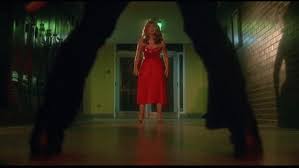
“Prom Night” masterfully establishes an eerie atmosphere from the outset, using the anticipation of the prom night festivities as a backdrop for the unfolding horror. The slow, deliberate pacing contributes to the building tension, and the film employs classic suspense techniques, such as the killer’s point of view shots and eerie telephone calls, to keep audiences on edge. The choice of the prom night setting adds a layer of irony, juxtaposing the joyous occasion with the sinister events unfolding, a trope that would become a hallmark of the slasher genre.
The film’s score, composed by Paul Zaza and Carl Zittrer, is an integral part of its identity. The haunting melodies and suspenseful cues enhance the overall impact, underscoring key moments and cementing the film’s place in the genre. The cinematography, marked by effective lighting and clever framing, contributes to the visual appeal and sets “Prom Night” apart from its contemporaries.
Legacy and Influence: “Prom Night” left an indelible mark on the horror genre, influencing subsequent slasher films and cementing itself as a cult classic. The success of the movie spawned a series of sequels and a 2008 remake, attesting to its enduring appeal. The film’s legacy is not only a testament to its quality within the genre but also its role in shaping the trajectory of ’80s horror.
The success of “Prom Night” can be attributed not only to its engaging storyline and memorable performances but also to the meticulous craftsmanship displayed by director Paul Lynch and the creative team. The use of practical effects for the kills, a staple of ’80s horror, adds a visceral and authentic quality to the film. The tension is heightened by Lynch’s adept direction, making effective use of shadows, mirrors, and suspenseful tracking shots. These elements, combined with a keen sense of pacing, contribute to the film’s enduring impact.
Beyond its slasher roots, “Prom Night” takes time to develop its characters, creating a sense of investment in their fates. The ensemble cast, including Leslie Nielsen and Antoinette Bower, adds depth to the narrative with their nuanced performances. Subplots involving teenage relationships, secrets, and the aftermath of the tragic incident provide a richness that goes beyond the typical body count narrative of many slashers.
“Prom Night” arrived during a peak period for the slasher genre, riding the wave of success established by earlier films like “Halloween” and “Friday the 13th.” The film encapsulates the cultural zeitgeist of the time, tapping into the anxieties and fears associated with adolescence. The focus on prom night, a rite of passage for many, resonated with audiences, amplifying the impact of the horror elements.
The success of “Prom Night” left an indelible mark on the horror landscape, influencing subsequent films within the genre. The formula of a masked killer stalking teenagers during a significant event became a template for countless slashers that followed. Additionally, the film’s ability to blend suspense, horror, and mystery paved the way for a new wave of genre offerings, solidifying its status as a trendsetter.
Upon its release, “Prom Night” received a mixed critical response, with some praising its suspenseful atmosphere and performances, while others critiqued its adherence to genre conventions. Over the years, however, the film has garnered a dedicated cult following that appreciates its nostalgic charm, effective scares, and contribution to the horror genre’s evolution. “Prom Night” has become more than just a movie; it’s a cultural touchstone for fans of ’80s horror.
“Prom Night” (1980) remains a cornerstone of slasher cinema, a film that skillfully navigates the tropes of the genre while adding its own distinct flavor. With a compelling plot, standout performances, and a chilling atmosphere, it continues to be celebrated by horror aficionados as a quintessential example of the era’s cinematic offerings. For those seeking a nostalgic journey into the heyday of ’80s horror, “Prom Night” stands as a glittering gem that deserves a place in the pantheon of iconic slashers.




 spryfilm.com