
“Bag of Bones” (2007)
Horror

Two Episodes
Written by: Matt Venne
Directed by: Mick Garris
Featuring: Pierce Brosnan, Annabeth Gish, Melissa George, Anika Noni Rose and Caitlin Carmichael
Tagline: “Beware the lake.”
Critical Commentary
Stephen King, the master of horror and suspense, has left an indelible mark on the literary and cinematic landscape with his prolific works. “Bag of Bones,” a television mini-series adaptation of King’s novel, unfolds a narrative brimming with supernatural elements, psychological depth, and a gripping exploration of the human psyche. In this comprehensive review, we will delve into the various aspects of the mini-series, evaluating its strengths, weaknesses, and the overall impact of the adaptation.
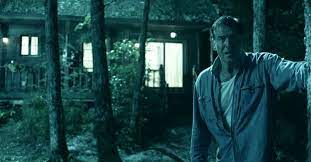
“Bag of Bones” opens with Mike Noonan (played by Pierce Brosnan), a bestselling author, grappling with the sudden death of his wife, Jo (played by Melissa George). The grieving process propels Mike into a journey of self-discovery, leading him to their lakeside retreat in Western Maine. The narrative unfolds with a dual timeline, blending the present-day events with flashbacks from Mike and Jo’s life.
The mini-series meticulously weaves a tapestry of horror, mystery, and psychological drama. King’s signature blend of the supernatural and the mundane is present throughout, creating an atmospheric tension that permeates every scene. The lakeside setting becomes an integral part of the narrative, its serene beauty contrasting with the darkness that lurks beneath.
The pacing of the plot is both a strength and a potential drawback. The deliberate, slow build-up allows for a deep exploration of characters and relationships, immersing the audience in the emotional landscape of Mike’s grief. However, at times, the pacing may feel sluggish, and viewers seeking quick thrills might find the narrative tempo challenging.
Pierce Brosnan delivers a compelling performance as Mike Noonan, capturing the nuances of a man haunted by loss and grappling with the unexplainable. His portrayal adds layers to the character, making Mike’s journey from grief to revelation believable and poignant. Melissa George, in her role as Jo Noonan, brings a charisma that elevates the flashback sequences, grounding the emotional core of the story.
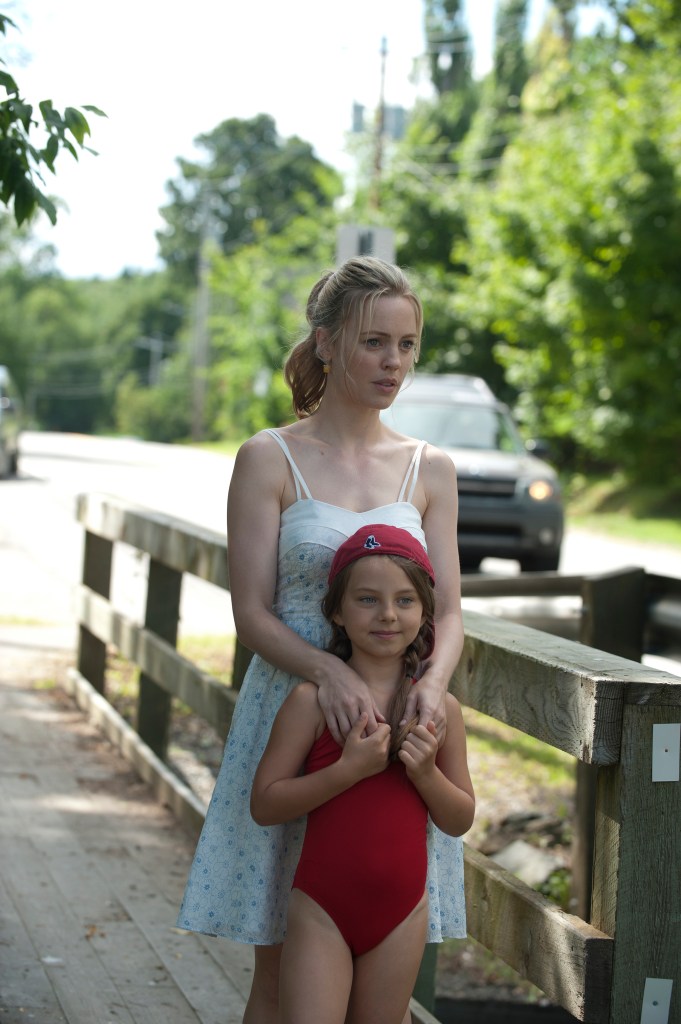
The supporting cast, including Annabeth Gish as Jo’s best friend Mattie, Caitlin Carmichael as Kyra, and Jason Priestley as Jo’s literary agent, contribute solid performances that enhance the overall narrative. The chemistry between the characters is palpable, particularly in the flashback sequences, where the portrayal of Mike and Jo’s relationship becomes a linchpin for the emotional impact of the story.
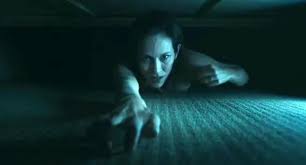
One of the key strengths of “Bag of Bones” lies in its adept handling of supernatural elements. The mini-series seamlessly integrates ghostly apparitions, eerie visions, and paranormal occurrences into the fabric of the narrative. The supernatural aspects serve not only as devices to induce fear but also as metaphors for the unresolved issues that haunt the characters.
The spectral appearances, often chilling and visually striking, add a layer of horror that is quintessentially Stephen King. The mini-series uses these supernatural elements not merely for shock value but as tools to explore the characters’ psyches and the unresolved conflicts that linger in the lakeside community.
At its core, “Bag of Bones” is a story about grief, guilt, and the quest for redemption. Mike Noonan’s journey becomes a metaphor for the human experience of loss and the subsequent struggle to make sense of the inexplicable. The mini-series delves into the complexities of mourning, portraying grief not as a linear process but as a labyrinthine journey with unexpected twists and turns.
As Mike confronts his own demons and the supernatural forces at play, the narrative becomes a meditation on the nature of guilt and the possibility of redemption. The lakeside community serves as a microcosm of intertwined fates, each character carrying their own burdens and seeking resolution.
“Bag of Bones” benefits from atmospheric cinematography that captures the eerie beauty of the lakeside setting. The juxtaposition of serene landscapes with moments of supernatural horror creates a visual tension that enhances the overall viewing experience. The use of lighting, shadows, and camera angles contributes to the creation of a palpable sense of dread, particularly in scenes involving paranormal phenomena.
The flashback sequences are presented with a distinct visual tone, differentiating them from the present-day narrative. This stylistic choice helps the audience navigate the dual timelines while reinforcing the emotional impact of the characters’ past experiences. The attention to visual detail, from the lakeside mansion to the mist-covered woods, adds a layer of authenticity to the adaptation.
The musical score of “Bag of Bones” complements the atmospheric tension, enhancing the emotional beats of the narrative. The haunting melodies and subtle cues heighten the sense of unease, creating an immersive experience for the viewer. The sound design, including the use of ambient sounds and whispers, contributes to the overall atmosphere of dread.
The lakeside environment, with its rustling leaves, creaking floorboards, and distant echoes, becomes an integral part of the auditory landscape. The combination of sound and visuals works in tandem to establish a pervasive sense of foreboding that permeates the entire mini-series.
Adapting a Stephen King novel for the screen is no small feat, considering the intricate narratives and complex characters inherent in his works. “Bag of Bones” stays true to the source material in many aspects, capturing the essence of King’s storytelling. The inclusion of key supernatural elements, the exploration of psychological horror, and the thematic depth remain faithful to the novel.
However, as is often the case with adaptations, certain elements are streamlined or modified for the visual medium. While these changes are understandable for the constraints of a mini-series format, purists may find some deviations from the source material notable. Nevertheless, the adaptation succeeds in preserving the core narrative and the spirit of King’s work.
Despite its many strengths, “Bag of Bones” is not without its flaws. The deliberate pacing, while effective in establishing a moody atmosphere, may alienate viewers seeking a more brisk narrative. Certain plot points, particularly those related to the lakeside community’s history, may feel underexplored or unresolved, leaving some questions lingering.
The mini-series also grapples with the challenge of balancing supernatural horror with the emotional weight of the characters’ journey. At times, the transition between the two elements feels uneven, with certain scares appearing disconnected from the overarching narrative. Striking a seamless balance between the supernatural and the psychological could have elevated the mini-series to a more cohesive whole.
“Bag of Bones” stands as a compelling adaptation that captures the essence of Stephen King’s novel while delivering a visually atmospheric and emotionally resonant viewing experience. The exploration of grief, guilt, and redemption, coupled with the supernatural elements that define King’s work, makes this mini-series a worthwhile watch for fans of the horror genre.
Pierce Brosnan’s nuanced performance, supported by a capable ensemble cast, brings the characters to life, grounding the narrative in the emotional struggles of its protagonists. The lakeside setting, visually striking and haunting, serves as a character in its own right, contributing to the overall atmosphere of the mini-series.
While “Bag of Bones” may not be without its pacing issues and narrative complexities, it successfully weaves a tapestry of horror, mystery, and human drama. For those willing to embark on a journey that combines the supernatural with the deeply personal, this mini-series offers a satisfying exploration of the shadows that lurk beneath the surface of our lives. The thematic richness and psychological depth make “Bag of Bones” more than just a conventional horror story; it’s a meditation on th human condition, exploring the intricate interplay between the seen and the unseen.
The mini-series excels in its ability to evoke a sense of place, utilizing the lakeside environment not only as a backdrop but as an integral part of the storytelling. The mansion, with its history shrouded in mystery, becomes a focal point for both the characters and the audience. The decision to anchor the narrative in this specific locale enhances the mini-series’ distinct identity and contributes to the creation of a fully realized world.
One of the notable achievements of “Bag of Bones” is its portrayal of the supernatural. Instead of relying solely on jump scares or overt horror tropes, the mini-series delves into the psychological horror of the unknown. The ghostly apparitions and spectral encounters serve as manifestations of the characters’ internal struggles, blending the supernatural with the deeply personal.
Furthermore, the mini-series tackles themes of writer’s block and creativity, offering a meta-narrative layer that adds complexity to Mike Noonan’s character. As a successful author haunted by both literal and metaphorical ghosts, Brosnan’s portrayal captures the vulnerability and desperation that often accompany creative struggles. This exploration of the creative process adds an additional layer of relatability for audiences, providing a nuanced perspective on the challenges faced by artists.
The character relationships, particularly the dynamic between Mike and Jo, are the emotional core of the mini-series. The flashbacks, seamlessly integrated into the narrative, gradually unveil the layers of their relationship, from the initial stages of love to the complexities that arise with time. The authenticity of their connection, coupled with the genuine chemistry between Brosnan and George, makes the emotional beats of the story resonate on a profound level.
While the mini-series excels in character development, it occasionally falters in the execution of certain plot points. Some threads, particularly those related to the historical mysteries of the lakeside community, feel underexplored. The balance between the overarching supernatural narrative and the intricacies of the community’s past could have been more finely tuned, allowing for a more cohesive and satisfying resolution.
The deliberate pacing, while effective in establishing a brooding atmosphere, may be a point of contention for viewers accustomed to more fast-paced storytelling. The slow burn approach serves the narrative well in terms of character exploration and emotional depth, but it may test the patience of those seeking immediate gratification or traditional horror thrills.
In terms of visual aesthetics, “Bag of Bones” shines with its evocative cinematography and attention to detail. The use of lighting to create shadows and silhouettes contributes to the eerie ambiance, enhancing the supernatural elements. The distinction in visual tone between the present and the past is a testament to the mini-series’ commitment to storytelling through visuals.
The soundtrack, while effective in creating a haunting atmosphere, occasionally veers into the realm of predictability with its reliance on typical horror cues. A more innovative approach to the musical score could have elevated the viewing experience, creating a sonic landscape that mirrors the uniqueness of the narrative.
Despite its shortcomings, “Bag of Bones” remains a commendable effort in adapting Stephen King’s intricate and multifaceted novel. The mini-series succeeds in capturing the essence of the source material, delivering a narrative that blends supernatural horror with an exploration of profound human emotions. Pierce Brosnan’s standout performance, coupled with strong supporting cast contributions, ensures that the characters are not lost amid the spectral elements.



 spryfilm.com