
“Ironsides” (1967 – 1975)
Television Series Drama

199 Episodes
Created by: Collier Young
Featuring: Raymond Burr, Don Galloway, Barbara Anderson, Don Mitchell and Elizabeth Baur
Robert T. Ironside: “I… LIKE… burned toast.”
“Ironsides” is a classic television series that first graced our screens in the late 1960s and continued to captivate audiences for eight seasons until the mid-1970s. Created by Collier Young and starring the incomparable Raymond Burr in the titular role, “Ironsides” is a remarkable show that seamlessly blends elements of crime drama, character development, and social commentary. Even after decades since its original airing, “Ironsides” remains a timeless classic that still manages to impress viewers.
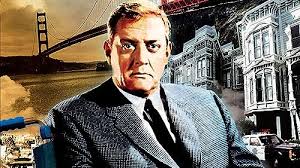
The show centers around Robert T. Ironside (Raymond Burr), a brilliant San Francisco police chief who, after an assassination attempt that leaves him paralyzed from the waist down, is confined to a wheelchair. Determined not to let his disability define him, Ironside continues to lead a special police unit dedicated to solving complex cases. He’s joined by a talented and diverse team that includes Detective Sergeant Ed Brown (Don Galloway), Officer Eve Whitfield (Barbara Anderson), and a special consultant Mark Sanger (Don Mitchell).
One of the most compelling aspects of “Ironsides” is the character of Robert Ironside himself. Raymond Burr’s portrayal of a disabled but determined police chief was groundbreaking for its time and remains a remarkable example of inclusivity and representation. The show doesn’t shy away from addressing the challenges and prejudice Ironside faces as a person with a disability. His resilience, intelligence, and strong sense of justice are qualities that inspire viewers even today.
The chemistry between the main cast members is a highlight of the series. Each character is distinct and fully realized, and their interactions, both personal and professional, are a pleasure to watch. Don Galloway’s Ed Brown is the loyal, tough-as-nails detective who always has Ironside’s back. Barbara Anderson’s Eve Whitfield brings a refreshing female perspective to the team, breaking stereotypes of women’s roles in law enforcement. Don Mitchell’s Mark Sanger, a reformed delinquent, adds depth to the group with his street-smart expertise.
“Ironsides” also excels in its storytelling. Each episode is a well-crafted, standalone mystery, with Ironside and his team piecing together clues and solving crimes that range from murder to kidnapping to espionage. The show’s mysteries are not just whodunits but also explore relevant social issues of the era, such as civil rights, drugs, and social justice. This added layer of social commentary makes “Ironsides” more than just a procedural crime drama; it’s a reflection of the times it was created in.
Furthermore, the show’s production values are impressive, considering the technological limitations of the 1960s and 1970s. The way it portrays Ironside’s daily struggles and triumphs in a wheelchair is both respectful and ahead of its time. The iconic police van specially designed for Ironside’s needs is a symbol of his independence and adaptability.
While “Ironsides” is undoubtedly a classic, it’s important to acknowledge that the show has its roots in a different era of television. The pacing and tone may feel slower and more methodical to modern viewers who are accustomed to fast-paced, action-packed shows. However, for those who appreciate character-driven storytelling and clever mysteries, “Ironsides” remains a hidden gem.
Furthermore, “Ironsides” was not just a standalone television series but also a precursor to more inclusive and diverse representation in the entertainment industry. Raymond Burr’s portrayal of a disabled character paved the way for greater awareness and sensitivity regarding disabilities in both television and society. It was a bold move at the time, challenging stereotypes and demonstrating that people with disabilities could be strong, capable, and, most importantly, relatable figures.
The show’s enduring relevance is also evident in its exploration of social issues. “Ironsides” delved into complex topics that were pertinent during its original airing and remain relevant today. The episodes often touched on civil rights, racial tensions, drug addiction, and other social challenges. By incorporating these issues into its narratives, “Ironsides” encouraged its viewers to think critically about the world around them and sparked important discussions.
The iconic police van, specially designed for Ironside’s needs, is not only a clever plot device but also a symbol of adaptability and innovation. It showcased the idea that with the right support and resources, individuals with disabilities could continue to lead productive lives. This representation was ground-breaking in its time and helped change perceptions about disability.
The legacy of “Ironsides” also extends to its influence on subsequent television series. The show’s formula of a brilliant detective and a dedicated team solving crimes while exploring broader societal issues has been a template for many successful crime dramas that followed. Series like “Law & Order,” “Criminal Minds,” and “NCIS” have built on the foundations laid by “Ironsides.”
While the pacing and tone of “Ironsides” may differ from contemporary television, its timeless messages of resilience, justice, and inclusivity continue to resonate with audiences. Its ability to address societal challenges, pioneer disability representation, and tell engaging stories sets it apart as a classic worth celebrating.
“Ironsides” is a television series that holds a special place in the hearts of those who watched it during its original run and those who have discovered it in later years. Its enduring appeal is a testament to the power of well-crafted characters and storytelling.
What’s particularly remarkable about “Ironsides” is that, in an era when television shows often pandered to the lowest common denominator, it dared to tackle serious issues and promote positive social change. The show’s commitment to addressing topics like civil rights, drug addiction, and discrimination demonstrates its willingness to engage with real-world problems. “Ironsides” was more than just entertainment; it was a platform for thoughtful commentary and an inspiration for viewers to think critically about the world around them.
Raymond Burr’s portrayal of Chief Ironside was not just a performance; it was a transformative representation that challenged societal norms and stereotypes. The character’s resilience, intelligence, and unwavering dedication to justice provided a positive role model for many, regardless of their physical abilities. In doing so, “Ironsides” contributed to a cultural shift towards greater inclusivity and recognition of the potential within people with disabilities.
The camaraderie among the characters, led by Ironside, was a major source of the show’s charm. Their interactions were rich with wit, camaraderie, and a palpable sense of family. This dynamic made viewers not only care about the cases they were solving but also invested in the personal journeys of the characters.
While the show’s format may feel somewhat dated by modern standards, with its episodic structure and slower pacing, it still serves as a testament to the art of storytelling. Each episode was a well-crafted mystery that engaged the audience with clever plot twists, intriguing whodunits, and a sense of justice prevailing. “Ironsides” offered a rare blend of intellectual stimulation and emotional depth, and its enduring popularity suggests that these qualities continue to be appreciated.
“Ironsides” is a timeless TV series that deserves recognition for its pioneering portrayal of a disabled protagonist, its engaging characters, and its thought-provoking storytelling. The show’s commitment to addressing societal issues within a crime drama framework and its enduring themes of perseverance and justice make it a classic worth revisiting or discovering for the first time. Despite the passage of time, the legacy of “Ironsides” as a symbol of resilience and social change remains evergreen.



 spryfilm.com