
“Jennifer” (1953)
Drama

Running Time: 73 minutes
Written by: Bernard Girard and Richard Dorso
Directed by: Joel Newton
Featuring: Ida Lupino, Howard Duff, Robert Nichols and Mary Shipp
Tagline: “Did Jennifer fear his fingers at her throat… or the burning caress of his lips?”
Critical Commentary
The 1953 film “Jennifer” stands as a significant work in the realm of classic cinema, showcasing the exceptional talents of Ida Lupino and Howard Duff. Directed by Joel Newton and produced by Ms. Lupino herself, the film serves as an intriguing exploration of complex human emotions and relationships. Set against the backdrop of post-war America, “Jennifer” delves deep into the lives of its characters and offers a heartfelt examination of love, ambition, and the struggles one faces in their pursuit of happiness. In this 2000-word review, we will analyse the film’s plot, performances, and its enduring impact on cinema.
Plot Synopsis
“Jennifer” opens with Jennifer Smith (Ida Lupino) working as a switchboard operator in a small, tight-knit community. She’s an independent and strong-willed woman who is content with her life, but she yearns for more. When the charming pilot Matt (Howard Duff) arrives in town, her world begins to change. Their whirlwind romance and eventual marriage mark the beginning of Jennifer’s journey from an independent working woman to a wife and mother.
As the film progresses, Jennifer’s life takes a turn as she becomes a devoted wife and mother, and her world revolves around her family. Her husband Matt is a loving and supportive partner, and their life seems idyllic. However, Jennifer’s ambition and desire for more remain, leading her to convince Matt to take a risk and move to New York City in pursuit of a better life. Matt obliges, and the couple leaves their small-town life behind.
In New York, they face the challenges of urban living and the harsh realities of economic struggles. Matt becomes increasingly despondent as he struggles to provide for his family. Jennifer, on the other hand, manages to secure a job at a high-end department store, becoming the breadwinner of the family. Her success and newfound independence create tension in their marriage.
The film explores the shifting dynamics within the family and the strain on Jennifer and Matt’s relationship. Jennifer’s success, coupled with her growing ambition, leads to her becoming the primary provider and the one in control. This role reversal causes conflict between the couple, as Matt grapples with feelings of inadequacy and emasculation. His self-esteem is further damaged when Jennifer’s success and assertiveness are noticed by a charming and wealthy man, Emery (Jerry Paris).
The film culminates in a heartbreaking and emotional climax as Jennifer must make a difficult choice between her family and her own aspirations. Her decision and its consequences are the emotional core of the film, highlighting the complex interplay of love, ambition, and personal sacrifice.
“Jennifer” features exceptional performances from its two leads, Ida Lupino and Howard Duff. Lupino, who also produced the film, is mesmerizing as Jennifer. She portrays the character’s transformation from a content small-town woman to an ambitious career woman with nuance and depth. Her ability to convey the complexity of Jennifer’s emotions is a testament to her acting prowess. Whether it’s the joy of newfound success or the agony of difficult choices, Lupino delivers a standout performance that anchors the film.
Howard Duff, as Matt, provides a poignant and emotionally charged portrayal. His character’s journey from a confident pilot to a struggling husband is portrayed with authenticity. Duff’s performance highlights the vulnerability and insecurity that can result from a role reversal in a marriage, making the audience sympathize with his character’s plight.
The chemistry between Lupino and Duff is palpable on screen, which makes the viewer deeply invested in the success and struggles of their relationship. Their performances make the emotional arc of the film genuinely moving and relatable.
Jerry Paris as Emery, the wealthy and charming man who takes an interest in Jennifer, also delivers a noteworthy performance. His character serves as a catalyst for the conflict in the film, and Paris portrays him with charisma and charm.
The supporting cast, including characters from the small-town community and the urban landscape of New York, adds depth to the narrative. They provide a rich backdrop against which Jennifer and Matt’s story unfolds, emphasizing the contrast between their rural roots and their new life in the city.
“Jennifer” addresses several themes and societal issues that were relevant in the early 1950s. It delves into the evolving roles of women in society and the changing dynamics of marriage and family life. The film portrays a woman who desires more than traditional domesticity, breaking free from the confines of her small-town life.
Jennifer’s pursuit of a career and her success as a working woman resonate with the post-war era when women were stepping into the workforce in increasing numbers. The film explores the tension between traditional gender roles and a woman’s desire for personal fulfillment and independence. This aspect of the film is a reflection of the changing societal norms of the time and serves as a commentary on women’s aspirations.
The film also examines the pressures of economic survival, showcasing the challenges faced by the working-class in post-war America. Jennifer and Matt’s move to New York City, seeking better opportunities, reflects the dreams of countless families who were striving for a better life. The economic struggles they face, despite their best efforts, underscore the harsh realities of the era.
The theme of ambition and the sacrifices one makes to achieve it is central to the film. Jennifer’s pursuit of success and financial security comes at a cost, testing the bonds of her marriage. The film raises questions about the trade-offs individuals are willing to make in their quest for personal fulfillment and whether these decisions come at the expense of their relationships and family life.
Joel Newton’s direction in “Jennifer” is both empathetic and sensitive. He captures the emotional nuances of the characters, especially Jennifer and Matt, in a way that allows the audience to connect with their experiences. The pacing of the film is deliberate, allowing the characters’ development and the evolving dynamics of their relationship to take center stage. Newton’s direction doesn’t rush the story, giving the viewer time to absorb the emotional weight of the narrative.
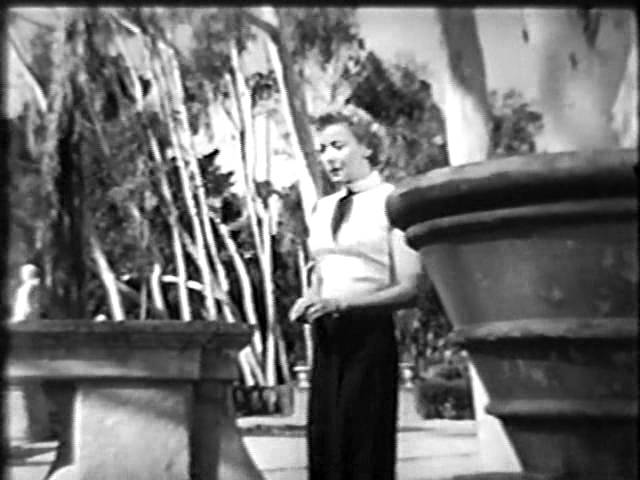
Cinematographer Arthur E. Arling’s work is noteworthy, particularly in his portrayal of New York City. He contrasts the small-town simplicity of Jennifer and Matt’s origins with the bustling, visually striking cityscape of New York. The urban scenes are rich in detail and provide a vivid depiction of the city’s diversity and vibrancy.
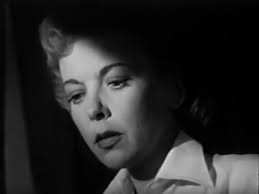
The film’s visual style is characterized by its careful use of lighting and framing to emphasize the characters’ emotions. The lighting in scenes of tension and conflict effectively conveys the emotional turmoil that the characters are experiencing. The composition of shots, especially close-ups of Ida Lupino’s and Howard Duff’s faces, allows the audience to connect deeply with their characters and their internal struggles.
“Jennifer” may not be as widely remembered as some of the other classic films of the 1950s, but it remains a significant work in the context of its time. The film’s exploration of gender roles, ambition, and the dynamics of marriage was ahead of its time, offering a nuanced perspective on the challenges faced by women in the post-war era. Ida Lupino’s involvement as both the producer and lead actress also makes it a notable milestone in her career.
The film’s themes and narrative have enduring relevance and can be appreciated by contemporary audiences. It continues to serve as a reminder of the timeless struggles faced by individuals as they navigate the complexities of their personal and professional lives. The tensions between personal ambition and familial responsibilities are themes that resonate with a broad spectrum of viewers, making “Jennifer” a timeless cinematic experience.
Ida Lupino’s role as both the lead actress and the producer of the film was a ground-breaking accomplishment in the 1950s. At a time when women’s roles in the film industry were often limited to acting, Lupino’s dual roles in “Jennifer” showcased her multifaceted talent and determination to push boundaries. Her involvement in this project was a precursor to her pioneering work as a director and producer in the years to come.
In fact, Ida Lupino is often celebrated as a trailblazer for women in Hollywood. She went on to become one of the first prominent female directors in the industry, directing and producing a series of socially relevant and impactful films. Her influence paved the way for future generations of female filmmakers and actors, and “Jennifer” played a significant role in establishing her legacy as a powerful and versatile talent in the world of cinema.
The film’s nuanced exploration of gender roles and marital dynamics was ahead of its time and remains relevant in today’s society. While progress has been made in gender equality, the issues raised in “Jennifer” still resonate with modern audiences. Many individuals, regardless of gender, continue to grapple with the challenges of balancing their personal ambitions with their familial commitments. The film’s portrayal of these struggles offers a valuable perspective for contemporary viewers.
Furthermore, “Jennifer” provides a snapshot of post-war America, depicting the dreams and aspirations of families seeking better lives in urban centers. The economic pressures faced by Jennifer and Matt mirror the concerns of many working-class families striving to achieve the American Dream. In this sense, the film serves as a historical document, offering insight into the aspirations and challenges of the era.
The performances of Ida Lupino and Howard Duff in “Jennifer” remain standout achievements in their careers. Ida Lupino’s portrayal of Jennifer showcases her ability to convey the complexity of her character’s emotional journey, from a small-town switchboard operator to a successful career woman. Her performance is a testament to her acting skills and emotional range, and it ranks among her most memorable roles.
Howard Duff’s portrayal of Matt is equally compelling. He captures the vulnerability and insecurities of a man whose traditional role as the breadwinner is challenged by his wife’s newfound success. Duff’s performance is emotionally resonant, making Matt a character with whom the audience can empathize and sympathize.
The chemistry between Lupino and Duff is a key element that elevates the film. Their on-screen connection is palpable, drawing the audience into the emotional journey of their characters. The authenticity of their performances is a significant factor in the film’s enduring impact and continues to be appreciated by viewers today.
The supporting cast, including Jerry Paris as Emery, contributes to the film’s depth and richness. Each character serves a specific role in the narrative, highlighting the various social and emotional pressures that Jennifer and Matt face. The ensemble cast effectively brings the world of the film to life, whether in the small-town community or the bustling streets of New York City.
“Jennifer” also benefits from the direction of Joel Newton and the cinematography of Arthur E. Arling. Newton’s sensitive and deliberate direction allows the emotional complexity of the characters to shine through. He gives the audience time to connect with the characters and their evolving relationships, making the film’s emotional impact all the more potent. Arling’s cinematography captures the visual contrast between the small-town simplicity of Jennifer and Matt’s origins and the vibrant urban landscape of New York City. His use of lighting and framing enhances the emotional depth of the story, drawing the audience into the characters’ experiences.
“Jennifer” (1953) is a classic film that remains relevant and impactful to this day. The film’s exploration of gender roles, ambition, and the dynamics of marriage was ahead of its time and continues to resonate with modern audiences. Ida Lupino’s dual role as the lead actress and producer marked a significant milestone in her career and paved the way for her future achievements in the film industry.
The performances of Ida Lupino and Howard Duff are exceptional, and their on-screen chemistry is a defining feature of the film. The supporting cast, direction, and cinematography all contribute to the film’s emotional depth and richness. “Jennifer” serves as both a historical document, offering insight into post-war America, and a timeless exploration of the enduring struggles faced by individuals as they seek to balance their personal ambitions with their familial responsibilities.
Despite not being as widely recognized as some of its contemporaries, “Jennifer” remains a gem of classic cinema and a testament to the enduring power of storytelling in film. It is a film that invites reflection on the complexities of life, love, and the pursuit of happiness, making it a worthwhile watch for cinephiles and anyone interested in the human condition.



 spryfilm.com