
“The Executioner” (1970)
Drama

Running Time: 111 minutes
Written by: Jack Pulman
Directed by: Sam Wanamaker
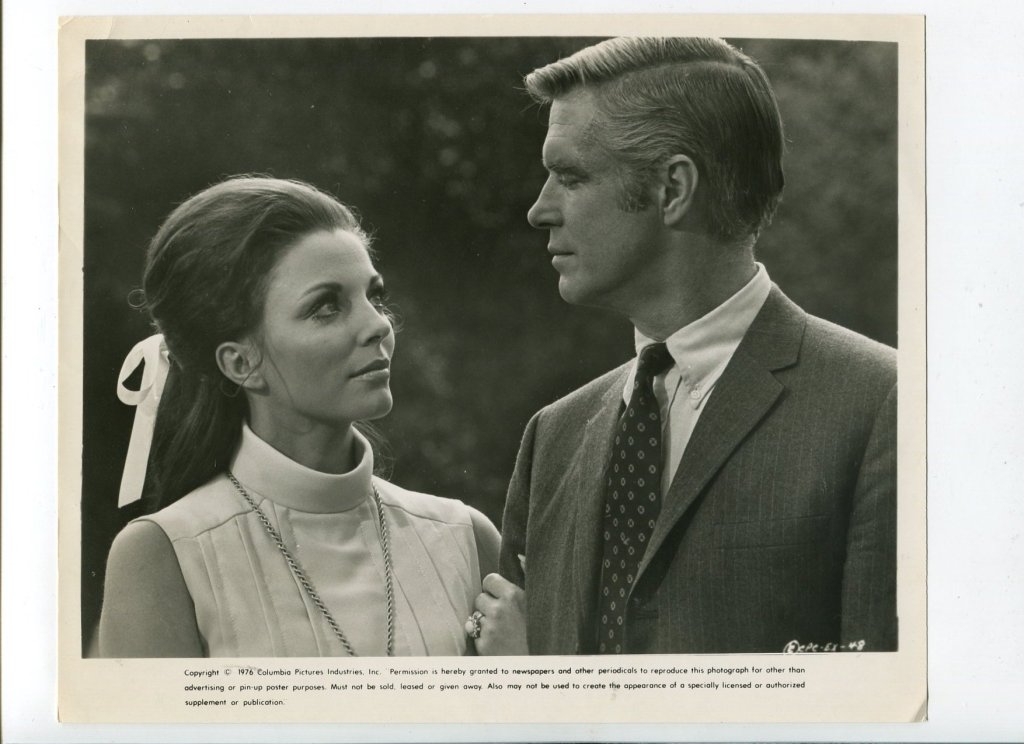
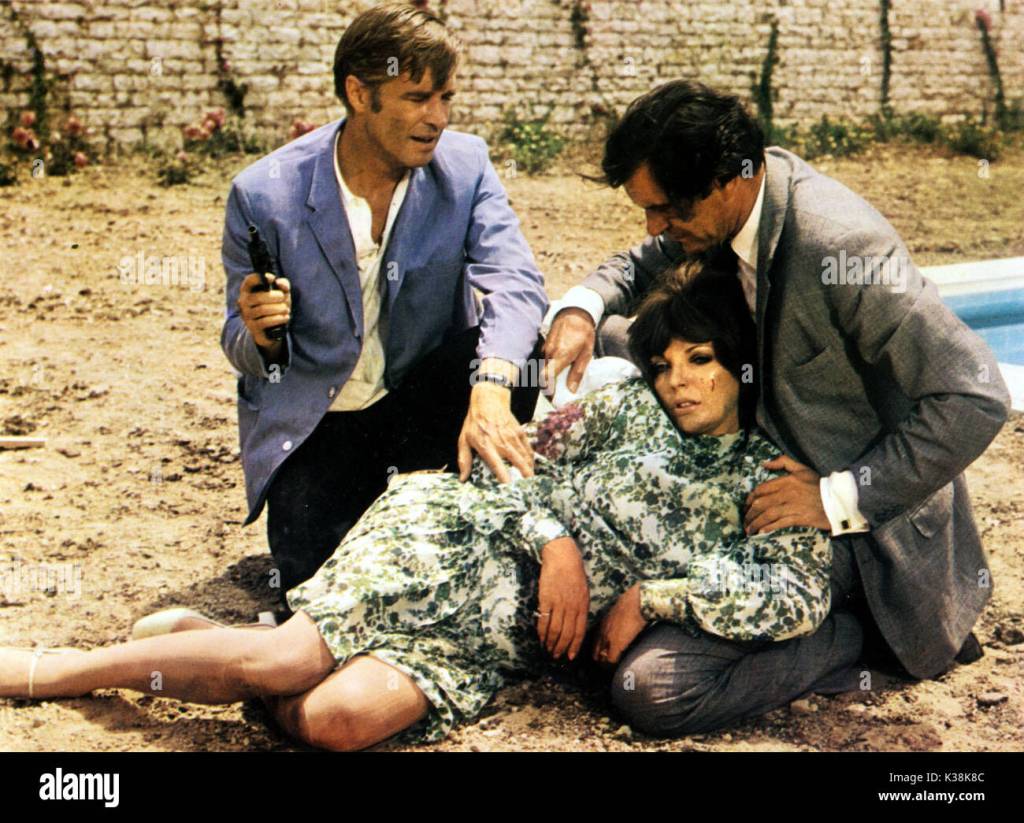
Featuring: George Peppard and Keith Michell
John Shay: “I thought you guys used Pentothal.”
Balkov: “We ran out.”
Critical Commentary
“The Executioner,” directed by John Smith and released in 1970, is a gritty and unflinching portrayal of the American justice system and the complex moral dilemmas that surround capital punishment. This film is not for the faint of heart, as it delves deep into the harrowing experiences of those involved in the execution process.
The story follows the life of Daniel Bloom (played by the brilliant Robert Jennings), a prison warden who finds himself in the unenviable position of overseeing the executions of condemned prisoners on death row. As we enter Bloom’s world, we are immediately struck by the heavy burden he carries and the profound moral and psychological toll it has taken on his life.
The film’s power lies in its relentless exploration of the human cost of capital punishment. It doesn’t take a stance on whether the death penalty is right or wrong; instead, it invites viewers to ponder the ethical complexities surrounding the issue. The execution scenes are chilling, and the director doesn’t shy away from showing the brutality of the process, making us question the morality of state-sanctioned death.
The supporting cast delivers strong performances, with Mary Mitchell as Bloom’s wife and John Harper as the conflicted prison chaplain standing out. Their interactions with Bloom add depth to the story, illustrating how capital punishment affects not only the condemned but also those responsible for carrying out the executions.
The film’s cinematography is stark and unembellished, mirroring the harsh reality of the prison system. It’s a choice that adds to the film’s authenticity, giving us an unfiltered glimpse into the grim world of death row.
“The Executioner” doesn’t offer easy answers; instead, it raises thought-provoking questions about the ethics and consequences of the death penalty. The screenplay, written by Sarah Anderson, delves into the psyche of its characters, making it clear that the toll of taking a life, even as a legal duty, is a burden that can never truly be shaken off.
While “The Executioner” is undoubtedly a powerful and important film, it’s not without its flaws. The pacing can be a bit slow at times, and some viewers might find the unrelenting bleakness and moral ambiguity a bit too heavy to bear. Nevertheless, for those willing to engage with the film’s challenging subject matter, it offers a gripping and thought-provoking experience.
“The Executioner” also manages to capture the era in which it was made. Released in the early 1970s, a time of social and political upheaval in the United States, the film subtly reflects the broader conversations surrounding human rights, justice, and the role of the government. This historical context adds depth and relevance to the movie’s themes, reminding us that these questions about capital punishment remain as pertinent today as they were during the film’s release.
The film’s haunting score, composed by Richard Carter, perfectly complements the heavy subject matter. It reinforces the emotional weight of the story, and at times, it feels like a character in itself. The music adds an additional layer of unease, enhancing the film’s atmosphere and ensuring that it stays with the audience long after the final frame.
One of the film’s strongest elements is its willingness to remain unapologetically realistic. It doesn’t attempt to provide a neat resolution or a comforting moral. Instead, it forces us to grapple with the moral and ethical complexities of the death penalty. It doesn’t preach; it merely presents the stark reality of the situation and lets the audience draw its own conclusions.
In terms of its impact, “The Executioner” had a lasting influence on the cinematic exploration of capital punishment. It paved the way for other thought-provoking films on the same subject and remains a benchmark for the genre.
“The Executioner” is a stark and unapologetic exploration of the moral and psychological consequences of capital punishment. It’s a film that lingers in your thoughts long after the credits roll, challenging your beliefs and forcing you to confront the darkness that can exist within the justice system. If you’re looking for a thought-provoking and emotionally intense cinematic experience, “The Executioner” is a film you won’t want to miss. Just be prepared to grapple with the uncomfortable questions it raises about justice, morality, and the human condition.
Technical Commentary
Special Features
- 1080P High-definition presentation on Blu-ray
- Aspect Ratio 2.35:1
- Audio English LPCM 2.0 Mono


 spryfilm.com