
“Bring Me the Head of Alfredo Garcia” (1974)
Action

Running Time: 112 minutes
Written by: Gordon Dawson and Sam Peckinpah
Directed by: Sam Peckinpah
Featuring: Warren Oates and Isela Vega
Bennie: “There ain’t nothing sacred about a hole in the ground or the man that’s in it. Or you. Or me.”
Critical Commentary
“Bring Me the Head of Alfredo Garcia” is a gritty, disturbing, and often overlooked gem in the world of cinema. Directed by Sam Peckinpah, this 1974 neo-noir Western takes viewers on a violent, unflinching journey through the darkest corners of human nature. Starring Warren Oates in a tour de force performance, the film explores themes of desperation, amorality, and the relentless pursuit of a single, macabre goal. This article will delve into the depths of “Bring Me the Head of Alfredo Garcia,” discussing its historical context, the director’s unique vision, the unforgettable characters, and its lasting impact on the world of film.
To understand the significance of “Bring Me the Head of Alfredo Garcia,” one must first consider the broader cultural and cinematic landscape of the 1970s. This was a decade characterized by the emergence of gritty, anti-establishment films that challenged conventional storytelling and morality. The counterculture movement, Watergate scandal, and the Vietnam War were still fresh in the public’s mind, contributing to a sense of disillusionment and moral ambiguity. Against this backdrop, Peckinpah’s film is a raw and unapologetic portrayal of a world where traditional morals and ethics have eroded.
Peckinpah himself was a controversial figure in the world of cinema. Known for his obsession with violence and moral ambiguity, he had previously directed films like “The Wild Bunch” (1969), which were notable for their graphic and realistic depictions of violence. “Bring Me the Head of Alfredo Garcia” is a continuation of this thematic exploration, taking it to even darker depths.
Sam Peckinpah’s vision for “Bring Me the Head of Alfredo Garcia” was uncompromising and unapologetic. The film’s dark, brooding atmosphere and bleak character dynamics reflect his disdain for traditional heroism and moral absolutes. The characters in the film exist in a morally nebulous world where they are driven by their own desires and are willing to cross any line to achieve their goals.
Peckinpah’s unique approach to storytelling is evident in the film’s pacing. The narrative unfolds slowly, allowing the audience to become intimately acquainted with the characters and their moral decay. This meticulous character development is essential in making the film’s shocking and morally reprehensible acts by the characters both compelling and disturbing.
Additionally, Peckinpah’s use of violence in the film is unflinching. Unlike many Hollywood films of the time, where violence was often stylized and glamorized, “Bring Me the Head of Alfredo Garcia” presents it as brutal, messy, and senseless. The violence is a reflection of the characters’ moral degradation, making it an essential element of the story rather than gratuitous spectacle.
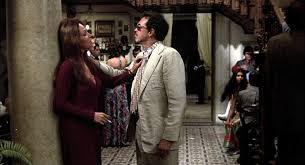
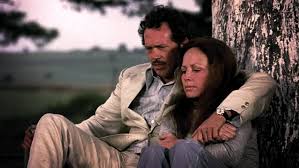
The film’s protagonist, Warren Oates, plays the role of Bennie, a down-and-out pianist living in Mexico. Bennie is a complex and morally ambiguous character who is driven by a mix of greed and a twisted sense of romanticism. His journey to find Alfredo Garcia’s head is as much about his desire for wealth as it is about his obsession with his girlfriend, Elita (Isela Vega), who is violently mistreated by the same men who are seeking Garcia.
Warren Oates’s performance as Bennie is nothing short of remarkable. He brings a sense of authenticity and vulnerability to the character, making the audience sympathize with him despite his deeply flawed nature. Bennie is a deeply human character, and Oates’s portrayal captures the desperation and amorality that define him.
On the other side of the spectrum, we have the film’s antagonists, Sappensly (Robert Webber) and Quill (Gig Young). These two hitmen are cold, calculating, and ruthless in their pursuit of Garcia’s head. Their unwavering determination and indifference to the consequences of their actions serve as a stark contrast to Bennie’s character. They embody the film’s exploration of moral decay and the depths to which individuals will sink in the pursuit of their goals.
One of the most striking aspects of the film is its amorality. In the world of “Bring Me the Head of Alfredo Garcia,” traditional moral values are virtually nonexistent. The characters operate in a world where greed, lust, and violence prevail, and they are willing to do whatever it takes to achieve their objectives.
This amorality is exemplified by Bennie’s quest for Garcia’s head. While he claims that it’s about love, his actions reveal a more selfish and morally ambiguous motivation. As the film progresses, it becomes increasingly difficult to root for Bennie as he descends further into darkness.
The theme of amorality is also reflected in the film’s portrayal of violence. Unlike many Westerns of the time, where violence was often portrayed as a means of justice, “Bring Me the Head of Alfredo Garcia” shows violence as a brutal, senseless act. The film’s characters are quick to resort to violence as a solution to their problems, and it’s this moral decay that Peckinpah intends to explore.
Peckinpah’s direction in “Bring Me the Head of Alfredo Garcia” is marked by several distinctive cinematic techniques. One of the most noteworthy is the use of slow motion. This technique is employed during pivotal moments of violence, intensifying their impact. The slow-motion sequences are visceral and uncomfortable, forcing the audience to confront the brutality of the characters’ actions.
The film also features a unique and haunting score by composer Jerry Fielding. The music sets the tone for the film, enhancing its atmosphere of bleakness and despair. Fielding’s use of eerie, dissonant chords and sparse instrumentation complements the film’s themes and adds to its overall impact.
Peckinpah’s use of landscape and setting is another crucial element of the film’s visual storytelling. The desolate, sun-scorched Mexican landscapes mirror the moral wasteland inhabited by the characters. The barren, unforgiving terrain becomes a character in itself, highlighting the characters’ isolation and desperation.
Upon its release, “Bring Me the Head of Alfredo Garcia” received a mixed response from critics and audiences. Some praised its unflinching portrayal of moral decay, while others found it too dark and nihilistic. Regardless of initial reception, the film has since gained a cult following and is now regarded as a classic of the neo-noir genre.
The film’s influence can be seen in subsequent works of cinema. Directors like Quentin Tarantino have cited “Bring Me the Head of Alfredo Garcia” as an inspiration for their own work, particularly in its portrayal of violence and moral ambiguity. The film’s impact on the neo-noir and crime genres is undeniable, as it helped pave the way for more morally complex and unapologetic storytelling in cinema.
“Bring Me the Head of Alfredo Garcia” is a cinematic masterpiece that delves deep into the abyss of amorality and moral decay. Sam Peckinpah’s uncompromising vision and Warren Oates’s exceptional performance combine to create a film that is both captivating and deeply disturbing. The movie’s exploration of greed, violence, and the unravelling of human morality in a bleak, sun-baked landscape remains a powerful and thought-provoking cinematic experience. Despite its initial divisive reception, the film has cemented its place in the pantheon of cult classics and continues to influence modern filmmakers who seek to challenge traditional storytelling and explore the darker aspects of the human condition.
“Bring Me the Head of Alfredo Garcia” is a film that forces audiences to confront uncomfortable truths about human nature. It does not offer easy answers or moral redemption, but rather, it plunges viewers into a morally ambiguous world where the boundaries between right and wrong are blurred. The film is a testament to the power of cinema to provoke thought and discussion, even when the subject matter is challenging and disturbing.
One of the central themes of the film is the corrosive nature of obsession. Bennie’s single-minded pursuit of Alfredo Garcia’s head is driven by a mix of greed and love for his girlfriend, Elita. His descent into a world of violence and moral decay is a stark reminder of how personal obsessions can consume individuals, leading them down a path of no return. Bennie’s obsession ultimately results in a tragic and violent conclusion, highlighting the destructive power of unbridled desire.
The film’s treatment of violence is another key aspect of its enduring impact. “Bring Me the Head of Alfredo Garcia” rejects the glorification of violence often found in mainstream cinema. Instead, it presents violence as brutal, ugly, and senseless. The slow-motion sequences and graphic depictions of violence are a visceral reminder of the consequences of the characters’ actions. This approach challenges the audience to consider the true cost of violence and the moral toll it takes on those who perpetrate it.
Furthermore, the film’s portrayal of Mexico as a barren, unforgiving landscape plays a significant role in shaping the narrative and reinforcing the themes of isolation and despair. The harsh natural environment reflects the moral wasteland inhabited by the characters, serving as a metaphor for their own moral degradation. It’s a reminder that the external world often mirrors the internal struggles of the characters.
The performances in “Bring Me the Head of Alfredo Garcia” are nothing short of exceptional. Warren Oates’s portrayal of Bennie is a masterclass in acting. Oates infuses the character with a vulnerability and desperation that make him simultaneously sympathetic and deeply flawed. His performance is a testament to his ability to convey the complex, contradictory nature of humanity.
Additionally, Isela Vega’s portrayal of Elita adds depth and humanity to the film. Her character is a victim of circumstances, and Vega’s performance conveys the pain and suffering she experiences in a world devoid of compassion. The film’s antagonists, played by Robert Webber and Gig Young, are chilling in their amorality and ruthlessness. Their characters are a reflection of the film’s exploration of moral decay and the lengths to which individuals will go to achieve their desires.
In conclusion, “Bring Me the Head of Alfredo Garcia” stands as a dark and unflinching exploration of human morality and the consequences of obsession. Sam Peckinpah’s vision, coupled with Warren Oates’s exceptional performance, has solidified the film’s place in the annals of cinema history. It challenges traditional storytelling and forces audiences to confront the disturbing aspects of human nature. The film’s influence on subsequent works is a testament to its enduring impact on the world of cinema. “Bring Me the Head of Alfredo Garcia” is a film that continues to captivate, disturb, and provoke thought, making it a true classic of the neo-noir genre.
Technical Commentary
Video
Presented in its original aspect ratio of 1.85:1, encoded with MPEG-4 AVC and granted a 1080p transfer, Bring Me the Head of Alfredo Garcia arrives on Blu-ray courtesy of Imprint Films. This release is supposed to introduce the recent 4K restoration of Sam Peckinpah’s film that Arrow Video completed in 2017. Unfortunately, I have to report that there has been a mix-up like the one that occurred with Kino Lorber’s release of the film in 2021. So, instead of introducing the 4K restoration, this release is sourced from the old MGM master that has been available for years. I am going to send a note to the Imprint team and will update our review when additional information is provided to us.
Audio
There is only one standard audio track on this Blu-ray release: English LPCM 2.0. Optional English SDH subtitles are provided for the main feature. The lossless track is solid. Clarity, sharpness, and depth are very good. It is free of age-related anomalies as well. However, on the 4K master, the audio sound a tad better rounded and more dense. (This is the only way I can describe the difference I hear on my system). Dynamic intensity is good. For the record, the Spanish exchanges in the beginning of the film are subtitled in English. The subtitles are white.
Special Features
DISC ONE – BRING ME THE HEAD OF ALFREDO GARCIA
- Commentary One – in this exclusive new audio commentary, filmmaker and Sam Peckinpah scholar Mike Siegel shares a lot of interesting information about the conception and production of Bring Me the Head of Alfredo Garcia while, according to him, he does his best to avoid reusing information that can be found in his excellent documentary Passion and Poetry: The Ballad of Sam Peckinpah. There are some particularly interesting comments about Mexico and Mr. Siegel’s relationship with the country — according to him Bring Me the Head of Alfredo Garcia is the best film about Mexico made by non-Mexicans — as well as the film’s critical and commercial reception. It is a lovely commentary that does indeed provide a lot of new and good information about the film.
- Commentary Two – this archival audio commentary was recorded by film historians Paul Seydor, Garner Simmons, David Weddle, and is moderated by Nick Redman.
- Commentary Three – this archival audio commentary was recorded by co-writer/co-producer Gordon Dawson and is moderated by Nick Redman.
- Commentary Four – this archival audio commentary was recorded by Paul Seydor and assistant to the director Katy Haber, and is moderated by Nick Redman.
- Passion & Poetry: Sam’s Favorite Film – this program focuses on the production history Bring Me the Head of Alfredo Garcia as well as Sam Peckinpah’s working methods. Included in the program are clips from archival interviews with actress Isela Vega, friend Chalo Gonzalez, author Garner Simmons, Kris Kristofferson, and Gordon Dawson, among others. In English, not subtitled. (56 minutes).
- A Writer’s Journey: Sam Peckinpah in Mexico – in this program, author Garner Simmons describes his first interaction with Sam Peckinpah, which was an unusually long phone call, and the time he spent with the director during the shooting of Bring Me the Head of Alfredo Garcia in Mexico as well as the material he gathered for his autobiography. Also, there is some fascinating information about Peckinpah’s decision to “live on the edge” and how it affected the people around him. In English, not subtitled. (26 min).
- Peckinpah in Locarno – presented here is an interview with Katy Haber that was conducted at the Locarno Film Festival during a Sam Peckinpah retrospective in 2015. Mrs. Haber discusses Bring me the Head of Alfredo Garciaand the romantic relationship that is at the center of it, which apparently links to a different, lesser known side of Peckinpah as well. The interview is conducted by journalist and film historian Fernando Ganzo. (14 min).
- “Portrait of the Artist as a Dead Man: Bring Me the Head of Alfredo Garcia and Sam Peckinpah’s Last Chance” – this exclusive new video essay was created by film writer Travis Woods. In English, not subtitled. (28 min).
DISC TWO – PASSION & POETRY: THE BALLAD OF SAM PECKINPAH
- Passion & Poetry: The Ballad of Sam Peckinpah – Mike Siegel’s documentary provides a wealth of information about the life and cinematic legacy of Sam Peckinpah. A good portion of it is dedicated to Bring Me the Head of Alfredo Garcia. Also, there is an enormous amount of raw footage from the shooting of various other films, rare archival footage, and vintage promotional materials. In English, not subtitled. LPCM 2.0. (120 min).
- Commentary – in this audio commentary, Mike Siegel explains why it took him nine years to complete his documentary and what inspired him to do it, and discusses his relationship with Sam Peckinpah’s films and how they impacted his life and maturation. Also, there is quite a bit of information about the film scene in Germany during the 1970s and later, how films were distributed and promoted, and what it was like to research Peckinpah and his body of work.
- Stories on a Storyteller – this documentary features additional interviews with many of the same individuals that appear in Passion & Poetry: The Ballad of Sam Peckinpah as well as archival footage. It is presented in three parts. In English, not subtitled.
Part One: The Westerner (30 min).
Part Two: Art & Success (37 min).
Part Three: Poet on the Loose (39 min). - Mike’s Home Movies: Behind the Scenes, Retrospectives, & Festivals – presented here is footage that Mike Segel shot at various festivals and public events where Sam Peckinpah’s films were screened and celebrated. With music. (15 min).
- “The Passion & The Poetry Project” – this documentary focuses on Mike Siegel and his work on Sam Peckinpah’s cinematic legacy. In English, not subtitled. (44 min).
- “The Passion & Poetry in Portugal” – presented here is footage from a retrospective on Sam Peckinpah’s films that was presented at the Encontros Cinematograficos event in Portugal in 2022. In English, not subtitled. (24 min).
- Passion and Poetry Restoration Comparison – Passion & Poetry was filmed between 2002 and 2004 in MiniDV with a ccd (3-chip) Sony VX 2000 camera in 4:3 letterbox standard definition. In 2018, the film was upscaled frame-by-frame by Niki Wurster from 720×576 to 1920×1080. Presented here are several before-and-after comparisons. (3 min).



 spryfilm.com