
“The Prophecy: Uprising” (2005)
Drama

Running Time: 88 minutes
Written and directed by: Joel Soisson
Featuring: John Light, Sean Pertwee, Kari Wuhrer, Jason London and Doug Bradley
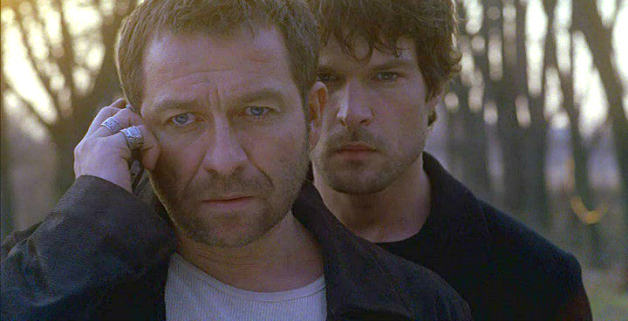
Laurel: [as Belial] “Sorry I’m late. We had to stop for petrol and sweets. Ah, what a waste! You know, you really could have made more of this place. The evil that bred here? Such an opportunity, and you let it slip away. And now what have you got left? Just this poor, little head case, and a police officer who thinks he can buy salvation with the money he rips off from drug dealers. Really? And you wonder why I deserted you?”
Critical Commentary
“The Prophecy: Uprising” is a 2005 fantasy-horror film directed by Joel Soisson. It’s the fourth instalment in “The Prophecy” series, a franchise known for its blend of theological themes, supernatural elements, and action-packed storytelling. The film follows the continued battle between angels and demons, with a special focus on the intriguing character of Danyael Rosales, portrayed by Jason Scott Lee.
The movie begins with a prologue that sets the stage for the ongoing war between angels and demons. It explains that there is a “dark soul” – an evil human heart that can turn the tide of the celestial conflict. This dark soul is said to be born into the world and grow to become the ultimate adversary against the forces of heaven.
The main plot revolves around Danyael Rosales, a drifter with a mysterious past who possesses this dark soul. Danyael’s existence is known to Gabriel (played by Christopher Walken), the archangel who serves as the film’s antagonist. Gabriel’s mission is to eliminate Danyael before he can fulfil his potential as the dark soul and tip the balance in favor of the demons.
As Danyael is pursued by Gabriel and his angelic minions, he crosses paths with an LAPD detective named Rachel (played by Kari Wuhrer). Rachel becomes an essential ally in his quest for survival, as she is drawn into the supernatural conflict.
The film explores the moral ambiguity of the characters and delves into the themes of redemption, free will, and destiny. Danyael is conflicted about his nature as the dark soul and must come to terms with his place in the cosmic struggle.
“The Prophecy: Uprising” is a direct-to-video release and, as such, doesn’t have the budget and star power of its predecessors, which included the likes of Christopher Walken, Elias Koteas, and Viggo Mortensen. However, despite its lower production values, the film manages to maintain the franchise’s unique blend of theological and supernatural themes.
Character Development: One of the strengths of the film is the character development, particularly that of Danyael. Jason Scott Lee delivers a strong performance as the tormented and conflicted protagonist. His portrayal of a man coming to grips with his true nature and the responsibilities it entails is both convincing and engaging.
Although Walken’s role is more limited compared to previous entries in the series, his presence is still a highlight. Walken’s portrayal of the enigmatic and morally ambiguous archangel remains one of the series’ standout elements. He infuses Gabriel with an otherworldly charisma and a sense of unpredictability that adds depth to the character.
“The Prophecy: Uprising” continues to explore the theological themes that are a hallmark of the franchise. The concept of the dark soul and the eternal struggle between angels and demons is intriguing and thought-provoking. The film raises questions about free will, destiny, and the nature of good and evil.
While the film doesn’t have the budget for elaborate special effects, it manages to deliver some well-executed action sequences. The fight scenes between angels and demons are relatively low-key but effective, and the film’s modest budget doesn’t hinder its ability to create an engaging supernatural atmosphere.
Kari Wuhrer’s character, Detective Rachel, provides a human perspective on the supernatural conflict, and Wuhrer’s performance is solid. The supporting cast, including Doug Bradley and Steve Hytner, also contribute effectively to the film’s overall atmosphere.
“The Prophecy: Uprising” maintains a brisk pace, which is common in direct-to-video releases. It wastes little time in getting to the heart of the conflict, and the story unfolds in a way that keeps the audience engaged. However, this fast pace also means that there is less room for deep exploration of some of the complex themes introduced.
Visual Style and Cinematography: The film’s visual style leans toward a darker and grittier aesthetic, which suits the supernatural subject matter. Cinematographer Nathan Hope manages to create a moody atmosphere that enhances the overall experience.
“The Prophecy: Uprising” concludes with an open-ended narrative that leaves room for further installments in the series. While this may be seen as a bit unsatisfying to some viewers, it also allows for a sense of continuation and leaves the door open for future exploration of the franchise’s rich mythology.
“The Prophecy: Uprising” successfully carries on the legacy of the series with its exploration of theological and supernatural themes. While it may lack the star power and budget of its predecessors, it compensates with strong character development and thought-provoking themes. The film offers an engaging and entertaining addition to “The Prophecy” franchise, and for fans of the series, it’s a must-watch.
One of the most intriguing aspects of “The Prophecy: Uprising” is its continued exploration of theological themes and its use of allegory to tell its story. The film delves into questions of morality, free will, and the nature of good and evil. It raises the issue of whether a person’s destiny is preordained or if they have the free will to choose their path.
The concept of the dark soul, a human with the potential to tip the balance in the celestial war, serves as an allegory for the idea of the “chosen one” or a person with a unique destiny. This theme has been explored in countless mythologies and religious traditions throughout history, and “The Prophecy: Uprising” adds its own spin to this timeless concept.
Danyael’s internal struggle with his identity as the dark soul mirrors the age-old philosophical debate about the duality of human nature. Are people inherently good, evil, or a combination of both? Danyael’s character embodies this ambiguity, and his journey to understand and accept his role in the cosmic conflict is a central element of the film.
The character of Gabriel, the archangel who acts as the primary antagonist, represents a more complex interpretation of angels. He is not simply a benevolent and righteous being; instead, he is portrayed as morally ambiguous, willing to do whatever it takes to win the war against the demons. This portrayal challenges traditional notions of angels as purely virtuous figures.
The film’s exploration of the battle between angels and demons also serves as a metaphor for the eternal struggle between good and evil. It prompts viewers to ponder questions about the nature of evil, the existence of a higher power, and the blurred lines between right and wrong.
While “The Prophecy: Uprising” may not delve as deeply into these theological themes as its predecessors, it maintains a thought-provoking and allegorical narrative that is a hallmark of the series. It invites viewers to contemplate complex questions about faith, destiny, and the nature of the supernatural world.
“The Prophecy: Uprising” benefits from strong character dynamics and compelling performances by its cast. While it may not have the star power of some of the earlier entries in the franchise, the actors manage to infuse their characters with depth and nuance.
Jason Scott Lee as Danyael Rosales: The film’s protagonist, Danyael, is a tormented character struggling to come to terms with his identity as the dark soul. Jason Scott Lee gives a convincing performance, portraying Danyael as a man with a complex past and a destiny he didn’t ask for. Lee successfully conveys the character’s inner conflict, and his journey from confusion to acceptance is a central element of the film.
Christopher Walken as Gabriel: While Walken’s role in this installment is more limited compared to his prominent role in the earlier “Prophecy” films, his presence is still a standout. Walken’s portrayal of the morally ambiguous archangel is enigmatic and captivating. He brings an otherworldly charisma to the character and keeps the audience guessing about Gabriel’s true intentions.
Kari Wuhrer plays a key supporting role as Detective Rachel, a human character who becomes entangled in the celestial conflict. Wuhrer’s performance is solid, and her character provides a relatable perspective for the audience. As Rachel is drawn deeper into the supernatural world, Wuhrer’s portrayal effectively conveys the character’s journey of discovery and acceptance.
Supporting Cast: The film also features supporting roles from Doug Bradley, known for his portrayal of Pinhead in the “Hellraiser” series, and Steve Hytner. The supporting cast contributes to the film’s overall atmosphere, with Bradley bringing his unique presence to the role of Abner, a demon pursuing Danyael.
Character development and the interactions between these characters drive the narrative forward. Danyael’s internal conflict and his connection with Detective Rachel create a sense of empathy and engagement for the audience. The chemistry between the characters, particularly Danyael and Rachel, is a central aspect of the film’s appeal.
“The Prophecy: Uprising” manages to deliver well-executed action sequences despite its modest budget. While it may not have the extravagant special effects of blockbuster films, it uses its resources effectively to create engaging and supernatural action scenes.
Fight Sequences: The film features several action sequences involving angels and demons. These confrontations are not as elaborate or visually stunning as those seen in higher-budget productions, but they are effective in conveying the power and otherworldly nature of these celestial beings. The choreography of the fights is well done, and they add excitement to the narrative.
The film’s visual style and cinematography contribute to its supernatural atmosphere. Cinematographer Nathan Hope creates a moody and dark aesthetic that enhances the film’s thematic elements. The use of lighting and shadow adds to the sense of foreboding and mystique that is characteristic of the series.
“The Prophecy: Uprising” maintains a brisk pace, a common feature of direct-to-video releases. It wastes little time in establishing the central conflict and keeps the narrative moving forward. This approach may be seen as a positive for viewers who prefer a more action-oriented experience, but it also means that there is less room for in-depth exploration of the complex themes introduced in the film.
The storytelling in “The Prophecy: Uprising” is more straightforward compared to some of the earlier entries in the series. While this may be a drawback for those who appreciate the philosophical and theological depth of the franchise, it allows the film to focus on the central conflict and character development. The story is engaging and unfolds logically, and the pacing ensures that the audience remains captivated throughout.
The film’s visual style leans toward a darker and grittier aesthetic that suits the supernatural subject matter. The use of shadow and lighting adds to the film’s overall mood, creating a sense of foreboding and mystique. Cinematographer Nathan Hope successfully establishes a visual atmosphere that enhances the supernatural elements of the story.



 spryfilm.com