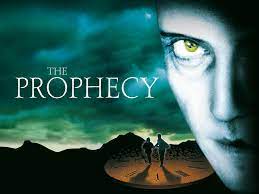
“The Prophecy” (1995)
Drama

Running Time: 97 minutes
Written and directed by: Gregory Widen
Featuring: Christopher Walken, Elias Koteas, Virginia Madsen, Eric Stoltz, Amanda Plummer and Viggo Mortensen
Gabriel: “I’m an angel. I kill firstborns while their mamas watch. I turn cities into salt. I even, when I feel like it, rip the souls from little girls, and from now till kingdom come, the only thing you can count on in your existence is never understanding why.”
Critical Commentary
In the annals of cinematic history, certain films stand out for their unique blend of spirituality, supernatural elements, and profound storytelling. “The Prophecy,” directed by Gregory Widen in 1995, is one such film. This dark and enigmatic masterpiece delves deep into theological and philosophical themes, wrapped in a supernatural thriller that keeps audiences on the edge of their seats. With a stellar cast, led by Christopher Walken, “The Prophecy” is a thought-provoking exploration of the age-old struggle between heaven and hell. In this review, we will delve into the film’s intriguing narrative, memorable characters, thematic depth, and its impact on the supernatural thriller genre.
“The Prophecy” unfolds in the gloomy settings of contemporary Los Angeles, a city rife with moral ambiguity. The film kicks off with the suicide of Thomas Daggett (Elias Koteas), a former priest who left the clergy in search of a less demanding life. Daggett’s return to the church, albeit as a detective, is marked by a gruesome murder scene that reeks of supernatural intervention. This event is a harbinger of the cosmic conflict that is at the heart of the film.
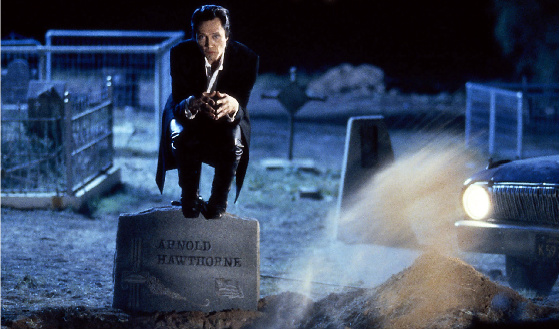
The central plot revolves around the theft of a dark, soul-corrupting human heart from a recently deceased suicide victim, which is a valuable pawn in the celestial chess game between angels and demons. The antagonist, Gabriel (Christopher Walken), is an archangel who has fallen from grace and aims to use the stolen heart to tip the balance of power in favor of Hell. Opposing Gabriel are Simon (Eric Stoltz), an angel who has sided with humanity, and the sceptical detective Daggett, who finds himself unwittingly thrust into the battle.
As the story unfolds, viewers are led on a suspenseful journey through twists, revelations, and moral dilemmas. “The Prophecy” is unafraid to explore complex theological questions and blur the lines between good and evil. Its engaging narrative keeps the audience entranced, as they eagerly anticipate the ultimate showdown between the forces of heaven and hell.
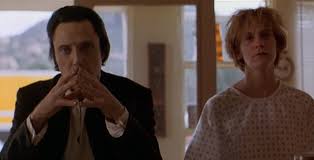
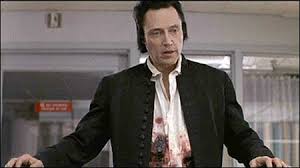
The strength of “The Prophecy” lies not only in its compelling storyline but also in its well-crafted characters. At the centre of it all is Christopher Walken’s mesmerizing portrayal of Gabriel. Walken’s enigmatic and somewhat chilling presence makes him a captivating antagonist, and his performance as the fallen angel is a standout in his career. He brings a unique blend of charisma and malevolence to the character, making Gabriel an unforgettable figure in the realm of cinematic villains.
Opposite Walken is Eric Stoltz as Simon, an angel who has aligned himself with humanity. Stoltz delivers a performance that is both otherworldly and deeply human. His character embodies the film’s overarching theme of free will and the choices that shape our destiny.
Elias Koteas as Detective Thomas Daggett offers a relatable and grounded perspective for the audience. His transition from a disillusioned former priest to a detective confronted with supernatural horrors adds depth to the film. Daggett serves as the audience’s conduit into the film’s arcane world, and Koteas’s performance brings an element of authenticity to the character.
The film also features an impressive supporting cast, including Virginia Madsen as Katherine, a schoolteacher entangled in the celestial conflict, and Amanda Plummer as Mary, a mentally unstable character who plays a vital role in the unfolding prophecy. The cast’s collective performances elevate the film, enhancing the character dynamics and deepening the audience’s engagement with the story.
“The Prophecy” is a film rich in theological and philosophical themes, making it a thought-provoking experience. At its core, the movie explores the question of free will and the consequences of the choices we make. The characters in the film grapple with issues of faith, morality, and their place in the cosmic struggle between good and evil.
One of the film’s central themes is the idea that angels, like humans, possess free will. The angels’ fallibility and capacity for both good and evil challenge traditional notions of angelic purity. This theme underscores the film’s philosophical exploration of moral ambiguity and the complexities of divine and human nature.
“The Prophecy” also touches on the concept of prophecy itself. It raises questions about whether prophecies are immutable or if they can be altered through human agency. This leads to a deeper examination of the characters’ choices and their impact on the outcome of the celestial conflict.
Additionally, the film employs religious and mythological symbolism to underscore its themes. From the presence of the archangel Gabriel to references to the Bible and angelic hierarchy, “The Prophecy” draws from a rich tapestry of religious and mythological elements to craft its narrative.
“The Prophecy” is an influential film in the supernatural thriller genre. While it may not have achieved the same level of commercial success as some other supernatural thrillers, its impact on the genre and its cult following are undeniable. The film’s unique blend of theological exploration, supernatural elements, and psychological depth has left a lasting impression on audiences and filmmakers alike.
One of the aspects that set “The Prophecy” apart from other supernatural thrillers is its willingness to engage with profound themes. It does not rely solely on jump scares and special effects to create tension. Instead, it delves deep into philosophical and theological questions, challenging viewers to think beyond the surface narrative.
The film’s portrayal of angels and demons as morally complex beings rather than one-dimensional forces of good and evil has influenced subsequent works in the genre. It paved the way for a more nuanced exploration of supernatural elements in storytelling, where characters are not simply heroes or villains but multifaceted individuals with their own motivations and struggles.
The success of “The Prophecy” also inspired a series of sequels, demonstrating the enduring appeal of its core concepts and characters. While these sequels may not have reached the same heights as the original, they further extended the film’s impact on the genre.
Upon its release in 1995, “The Prophecy” received a mixed response from critics and garnered a modest box office reception. Some critics praised the film’s ambition, unique thematic depth, and the standout performance of Christopher Walken, while others found fault in the narrative’s complexity and the film’s brooding atmosphere. Regardless of the initial critical reception, “The Prophecy” began to find its audience in the years following its release, earning a dedicated following of fans who appreciated its distinctive approach to the supernatural thriller genre.
The film’s themes and narrative have continued to resonate with viewers, and “The Prophecy” has since been recognized as a cult classic. Its legacy extends beyond the original movie, as it inspired several sequels, including “The Prophecy II” (1998), “The Prophecy 3: The Ascent” (2000), and “The Prophecy: Uprising” (2005) and “The Prophecy: Forsaken” (2005). While these sequels may not have achieved the same level of acclaim as the original, they kept the spirit of the franchise alive and allowed for further exploration of the theological and supernatural themes introduced in the first film.
The enduring appeal of “The Prophecy” also led to its influence on subsequent works in the supernatural thriller genre. Many filmmakers and storytellers took note of the film’s ability to blend supernatural elements with profound philosophical and theological questions, leading to a broader trend of exploring the complexities of good and evil in similar narratives.
One could argue that “The Prophecy” played a role in paving the way for more recent films and television series that have explored similar themes. Shows like “Lucifer” and “The Good Place” have brought theological and philosophical discussions into the mainstream, continuing the legacy of questioning the nature of good and evil in the supernatural realm.
“The Prophecy” (1995) is a cinematic revelation that marries supernatural thriller elements with deep theological and philosophical explorations. Its memorable characters, led by Christopher Walken’s iconic portrayal of Gabriel, draw viewers into a dark and enigmatic world where angels, demons, and humans collide. The film’s rich themes of free will, moral ambiguity, and prophecy add layers of depth to the narrative, leaving audiences pondering their own beliefs and choices.
As a trailblazer in the supernatural thriller genre, “The Prophecy” has left a lasting impact. It challenged traditional portrayals of angels and demons, paving the way for more complex and nuanced representations in subsequent works. Its influence is evident in the cult following it has garnered and the creation of several sequels that continue to explore the film’s core concepts.
“The Prophecy” is a cinematic gem that offers both entertainment and intellectual stimulation. It is a testament to the power of storytelling when it dares to probe the profound questions of existence while delivering a riveting and suspenseful narrative. With its memorable characters, thought-provoking themes, and supernatural intrigue, “The Prophecy” remains a must-see film for fans of the genre and anyone who appreciates a thought-provoking cinematic experience.
Special Features
- Audio Commentary by film historians Bryan Reesman & Max Evry
- God’s Army: Making The Prophecy – interview with
writer/director Gregory Widen - Divine Intervention: Filming The Prophecy – interview
with director of photography Richard Clabaugh - Original Opening Sequence
- Theatrical Trailer
 spryfilm.com
Pingback: Christopher Walken movies