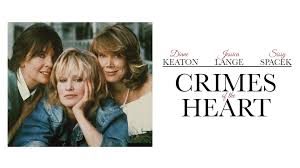
“Crimes of the Heart” (1986)
Drama

Running Time: 105 minutes
Written by: Beth Henley
Directed by: Bruce Beresford
Featuring: Diane Keaton, Jessica Lange, Sissy Spacek, Sam Shepard, Tess Harper and Hurd Hatfield
Meg Magrath: “Why’d you do it, Babe ? Why’d you put your head in the oven?”
Babe Magrath: “I don’t know… I’m having a bad day.”
Critical Commentary
“Crimes of the Heart,” directed by Bruce Beresford and released in 1986, is a poignant cinematic adaptation of Beth Henley’s Pulitzer Prize-winning play of the same name. Set in a small Mississippi town, the film follows the lives of three sisters who reunite after a tumultuous period of separation. With a stellar cast that includes Diane Keaton, Jessica Lange, and Sissy Spacek in the leading roles, “Crimes of the Heart” offers a captivating exploration of family, resilience, and the complexity of human emotions. In this 2000-word review, we will delve into the film’s plot, character development, performances, cinematography, and themes to analyse its enduring appeal and cultural significance.
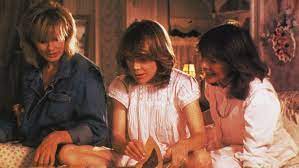
The story revolves around the Magrath sisters, Lenny (Diane Keaton), Meg (Jessica Lange), and Babe (Sissy Spacek), who find themselves together again in their family home after Babe’s arrest for shooting her abusive husband. Each sister carries her own emotional baggage and a history of trauma, and as they come together, their individual struggles and conflicts unravel.
Lenny, the eldest sister, is a lonely, reclusive woman who has spent her life caring for their ailing grandfather and now faces her own health issues. Diane Keaton’s portrayal of Lenny is a masterclass in subtlety, showcasing the character’s quiet desperation and vulnerability.
Meg, the middle sister, is an aspiring singer whose career in Hollywood has soured. Jessica Lange’s performance captures Meg’s restlessness and her attempts to mask her insecurities behind a facade of confidence. Her chemistry with Barnette Lloyd (played by the charming and earnest Travis Smith) adds depth to her character.
Babe, the youngest sister, is the center of the family crisis, accused of a heinous crime. Sissy Spacek delivers an unforgettable performance, conveying Babe’s childlike innocence and her inner strength as she confronts the consequences of her actions.
The film’s plot unfolds over the course of a few days as the sisters navigate the legal and emotional aftermath of Babe’s actions. Their interactions reveal long-held grudges, buried secrets, and the bonds that tie them together, even in the face of adversity.
The cast of “Crimes of the Heart” is nothing short of phenomenal. Diane Keaton, Jessica Lange, and Sissy Spacek give career-defining performances that showcase their range and versatility as actors. Keaton’s Lenny is a character marked by restraint and vulnerability, and her portrayal is a study in understated acting. Lange’s Meg is a complex blend of charisma and insecurity, and she handles the character’s emotional arc with grace and depth. Spacek’s Babe is a revelation, capturing the character’s naivety and inner strength with remarkable precision.
The supporting cast is equally praiseworthy. Tess Harper, as Chick Boyle, Babe’s judgmental cousin, adds a touch of humour and conflict to the story. Sam Shepard, in the role of Doc Porter, brings depth to Meg’s past, and his chemistry with Jessica Lange is palpable.
Director Bruce Beresford deserves credit for his sensitive handling of the material. He allows the characters and their interactions to take centre stage, avoiding melodrama and excessive theatrics. Beresford’s direction keeps the film grounded in the Southern atmosphere, using the setting to enhance the story’s authenticity.
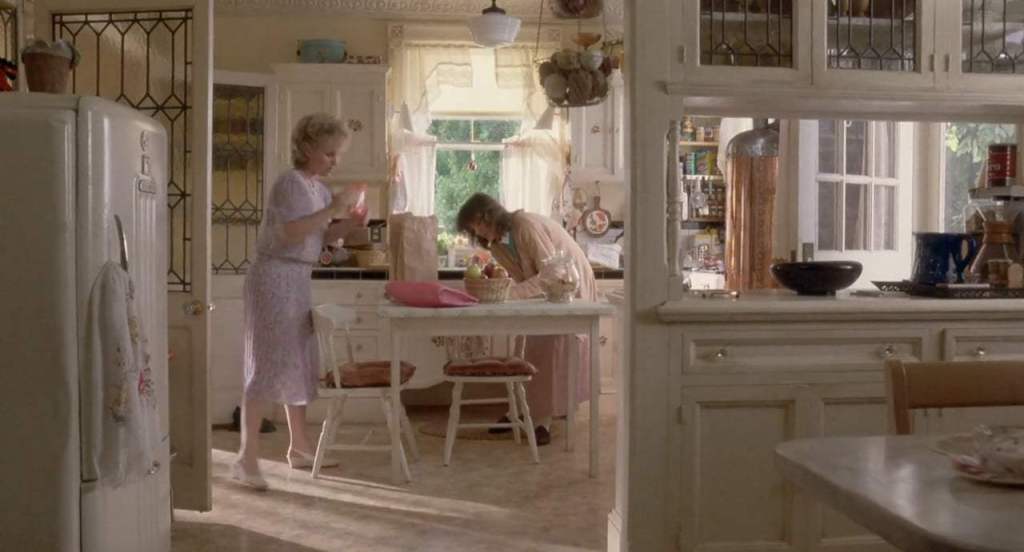
The cinematography of “Crimes of the Heart” contributes significantly to the film’s atmosphere and mood. The film’s visual style reflects the languid, oppressive heat of a Mississippi summer. The warm, earthy tones and soft lighting create a sense of intimacy, drawing the audience into the characters’ lives.
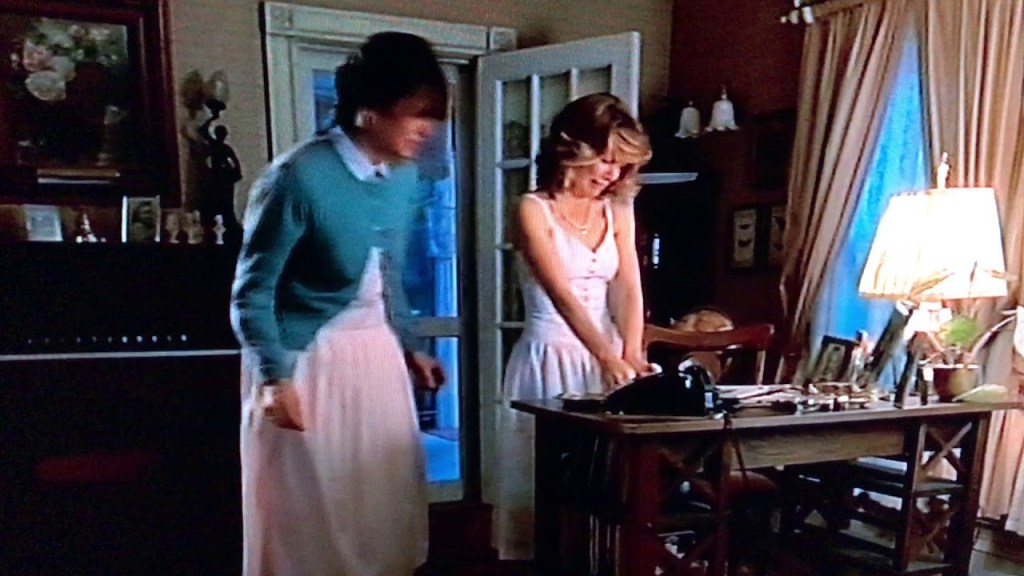
The use of the family home as a central setting adds depth to the story. The cluttered, lived-in interior serves as a metaphor for the sisters’ shared history and emotional baggage. The camera work effectively captures the close quarters in which the characters interact, emphasizing the tension and familiarity that define their relationships.
“Crimes of the Heart” explores several central themes that continue to resonate with audiences today. Family is at the heart of the film, and it delves into the complexities of sibling relationships. The Magrath sisters’ dynamics are a mix of love, rivalry, and the shared experience of a troubled upbringing. As they confront their past and present, the film highlights the enduring bonds that connect family members, even when they have grown apart.
Another significant theme is resilience in the face of adversity. Each sister has faced her share of hardships, from Lenny’s isolation to Meg’s shattered dreams and Babe’s abusive marriage. Despite these challenges, they find the strength to support one another and confront their individual demons. The film’s portrayal of resilience is both inspiring and relatable, reminding viewers of the human capacity to overcome even the darkest moments.
The theme of justice and morality also plays a central role. Babe’s arrest and trial force the characters to grapple with questions of right and wrong, and the film raises important ethical dilemmas. It challenges the audience to consider whether there can be justification for extreme actions taken in extreme circumstances, highlighting the complexity of human behaviour and the limitations of conventional morality.
Additionally, “Crimes of the Heart” offers a commentary on the role of women in society, particularly in the American South. The film portrays the sisters as women who have been shaped by traditional gender roles and societal expectations. Chick Boyle, the judgmental cousin, embodies these norms, contrasting with the sisters’ struggles to break free from them. The film’s exploration of female empowerment and independence adds depth to its narrative.
Conclusion (Approx. 200 words): In conclusion, “Crimes of the Heart” is a timeless cinematic gem that continues to resonate with audiences for its powerful performances, sensitive direction, and exploration of universal themes. Diane Keaton, Jessica Lange, and Sissy Spacek deliver unforgettable portrayals of the Magrath sisters, bringing depth and authenticity to their characters. The film’s exploration of family, resilience, justice, and female empowerment makes it a thought-provoking and emotionally resonant experience.
Bruce Beresford’s direction and the film’s cinematography enhance its Southern Gothic atmosphere, immersing the audience in the sweltering Mississippi setting. The story’s enduring appeal lies in its ability to capture the complexities of human relationships and the capacity for hope and redemption, even in the darkest of circumstances.
“Crimes of the Heart” remains a testament to the power of storytelling and the enduring impact of exceptional performances. Whether you’re revisiting it or discovering it for the first time, this cinematic masterpiece is sure to leave a lasting impression on your heart and mind.
Special Features
- 1080P High-definition presentation on Blu-ray from a 2K scan
- Audio Commentary by Karen Horsley, author of “The American Southern Gothic on Screen” (2023)
- Everyday Life, Well Observed – director Bruce Beresford on Crimes of the Heart (2023)
- Southern Discomfort – playwright Beth Henley on Crimes of the Heart (2023)
- Archival interviews with director Bruce Beresford, and editor / producer Freddie Fields (1986)
- Archival interviews with actors Jessica Lange, Tess Harper & Sissy Spacek (1986)
- Archival Interview with playwright Beth Henely (1986)


 spryfilm.com