
“The Long Riders” (1980)
Action

Running Time: 99 minutes
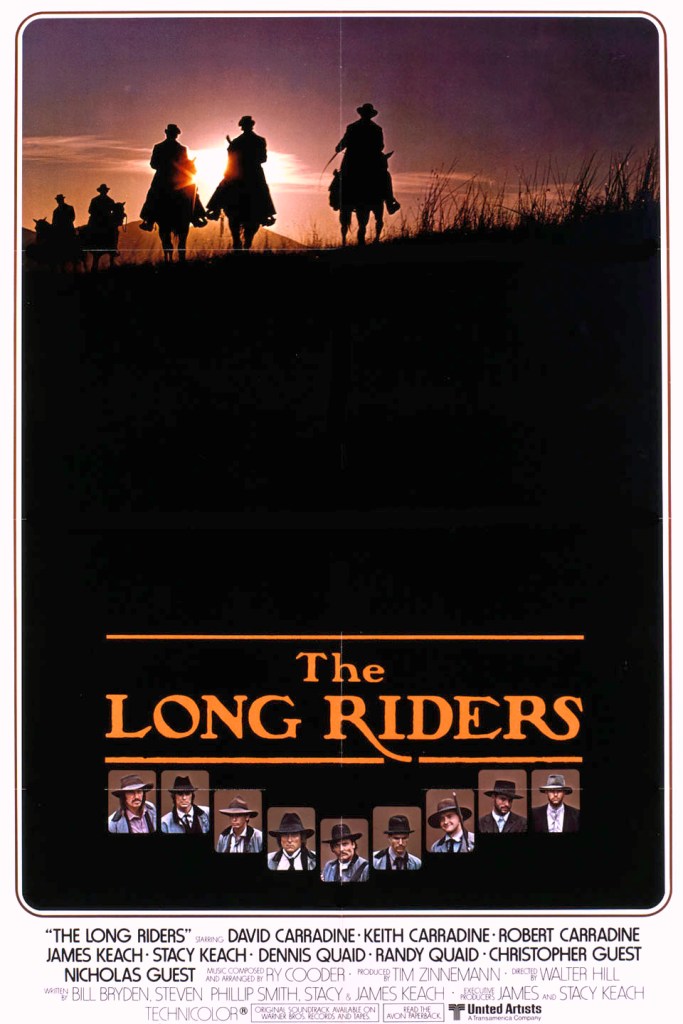
Written by: Bill Bryden, Steven Phillip Smith, Stacy Keach and James Keach
Directed by: Walter Hill
Featuring: David Carradine, Keith Carradine, Robert Carradine, James Remar, James Keach, Stacy Keach, Dennis Quaid, Randy Quaid, Christopher Guest and Nicholas Guest
Cole Younger: “When this is all over, I’m goin’ to write a book; make myself more famous than I already am.”
Frank James: “I trust you’ll give me a copy.”
Cole Younger: “Nope. You gotta pay, Frank; you gotta pay.”
Critical Commentary
“The Long Riders,” a 1980 Western film directed by Walter Hill, stands as a remarkable entry in the genre’s history. Set in post-Civil War America, the film tells the gripping tale of the infamous James-Younger Gang, a group of bank and train robbers whose exploits earned them both notoriety and a place in American folklore. With its unique casting choices, attention to historical detail, and masterful storytelling, “The Long Riders” has cemented itself as a classic that continues to captivate audiences decades after its release.
“The Long Riders” immerses viewers in the aftermath of the Civil War, a time of tumultuous change and shifting allegiances. The film provides an authentic portrayal of the era’s socio-political climate, emphasizing the impact of the war on individuals and communities alike. From the first frame, viewers are transported to a world where the boundaries between good and bad are blurred, forcing them to confront the complexity of the characters’ motivations.
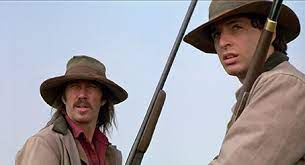
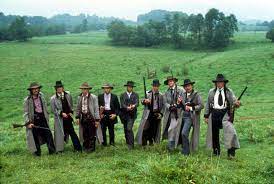
One of the film’s most intriguing aspects is its casting choices. Rather than opt for traditional Hollywood decisions, director Walter Hill made an audacious move by casting real-life siblings in the roles of the outlaw brothers. This decision lent an unprecedented authenticity to the film. The Keach brothers (James and Stacy) portray Frank and Jesse James, the leaders of the gang. David, Keith, and Robert Carradine embody the Younger brothers (Cole, Jim, and Bob), while Dennis and Randy Quaid portray Ed and Clell Miller.
This unconventional casting decision paid off handsomely. The chemistry among the actors is palpable, undoubtedly fueled by their real-life relationships. Their interactions on screen reflect a deep understanding of familial dynamics, making the characters’ camaraderie and conflicts all the more believable. This casting technique remains a standout element of “The Long Riders,” adding a layer of authenticity rarely seen in other films.
From costuming to set design, “The Long Riders” meticulously recreates the late 19th-century setting. The attention to detail extends to the weaponry, horses, and even the outlaw gang’s hideouts. Every aspect of the film’s visual composition serves to immerse the audience in the time period, allowing them to witness history unfold.
The dedication to historical accuracy is evident in the climactic Northfield Raid sequence. This meticulously crafted scene captures the chaos and intensity of the actual event, effectively translating the daring heist onto the screen. The skillful combination of cinematography, choreography, and sound design creates a riveting and harrowing experience for the audience.
Walter Hill’s direction shines through in the film’s narrative structure. The story unfolds through a series of interconnected vignettes, each focusing on a specific event or character. This technique enables the film to explore various perspectives while maintaining a cohesive narrative thread. The non-linear storytelling enhances the sense of unpredictability, mirroring the uncertain lives of the outlaws.
Moreover, the film takes time to delve into the inner conflicts and motivations of the characters. The depiction of the gang members as more than just ruthless criminals adds depth to their personas. Audiences are offered a glimpse into their aspirations, loyalties, and vulnerabilities, making it challenging to categorize them as simple villains.
The film’s musical score, composed by Ry Cooder, complements the on-screen action superbly. Cooder’s distinctive blend of blues and folk music enhances the atmosphere of the film, evoking a sense of time and place. The soundtrack serves as a sonic bridge between the historical setting and the modern audience, underscoring the universal themes of loyalty, family, and honor.
“The Long Riders” occupies a special place in the Western genre’s pantheon. Its innovative casting choices, commitment to historical accuracy, and compelling storytelling have inspired subsequent filmmakers to explore unconventional approaches to familiar narratives. The film’s exploration of the gray areas in morality paved the way for more nuanced character studies in the genre, influencing future classics like “Unforgiven.”
“The Long Riders” had a significant impact not only on the Western genre but also on filmmaking as a whole. Its unconventional casting approach, where real-life siblings portrayed the central characters, sparked discussions about the potential benefits of using actors with existing relationships to enhance on-screen chemistry. This approach was later explored in other films, demonstrating the film’s pioneering influence on casting decisions.
Furthermore, the film’s dedication to historical accuracy set a standard for period piece filmmaking. The meticulous attention to detail in costumes, props, and sets became a benchmark for authenticity, encouraging filmmakers to invest more in accurate recreations of historical periods. This commitment to realism has inspired subsequent productions to strive for a higher level of fidelity to the past.
“The Long Riders” also contributed to the evolution of the Western genre. By delving into the psychological complexities of the characters and challenging traditional notions of heroism and villainy, the film helped pave the way for more nuanced and morally ambiguous Western narratives. This shift is evident in later works like Clint Eastwood’s “Unforgiven” and Quentin Tarantino’s “Django Unchained,” which owe a debt to the groundwork laid by “The Long Riders.”
The technical aspects of “The Long Riders” are worth acknowledging as well. Walter Hill’s direction is both confident and restrained, allowing the characters and the story to take center stage. The editing, particularly the use of cross-cutting between different storylines, enhances the tension and excitement, making the film a dynamic and engaging experience. The cinematography, captured by Ric Waite, showcases the grandeur of the American landscape while also capturing the intimate moments shared by the characters.
Ry Cooder’s musical score remains a standout feature of the film. His fusion of various musical styles effectively mirrors the eclectic nature of the characters and their journey. The score doesn’t just complement the visuals; it becomes an integral part of the storytelling, amplifying emotions and adding depth to the narrative.
“The Long Riders” shines in its portrayal of complex characters. By delving into the motivations and personal struggles of the gang members, the film humanizes them beyond their criminal activities. The James-Younger Gang isn’t portrayed as one-dimensional villains but rather as individuals with their own desires and vulnerabilities. This nuanced approach challenges viewers to consider the factors that drive people to crime and to contemplate the blurred lines between right and wrong.
The exploration of brotherhood and loyalty is another theme that resonates strongly throughout the film. The relationships among the gang members are tested by external pressures and internal conflicts, leading to moments of intense emotional resonance. These portrayals of camaraderie and strife contribute to the film’s emotional depth and impact.
“The Long Riders” has also left its mark on popular culture beyond the realm of cinema. The film’s interpretation of the James-Younger Gang’s exploits has contributed to the shaping of the American outlaw mythos. These historical figures, who were once seen as notorious criminals, have been transformed into larger-than-life characters through the film’s storytelling. This reinterpretation has influenced subsequent media depictions of outlaws and antiheroes.
Moreover, “The Long Riders” has ignited discussions about the power of storytelling and its ability to shape public perception of historical events. The film invites audiences to question the narratives presented by history books and popular culture, urging them to consider multiple perspectives and to recognize the human complexities behind the legends.
As time passes, “The Long Riders” remains a film that resonates with contemporary audiences due to its exploration of themes that transcend time and place. The examination of the morality of criminality, the bonds of brotherhood, and the impact of societal upheaval continue to hold relevance in a world grappling with its own set of challenges. The characters’ struggles for identity, survival, and a sense of belonging resonate with audiences who are navigating their own complexities in an ever-changing landscape.
In an era where the lines between heroes and villains are increasingly blurred, the film’s depiction of nuanced characters serves as a reminder that human motivations are rarely black and white. Just as the James-Younger Gang’s actions were influenced by a combination of circumstance, personal history, and societal pressures, so too are the actions of individuals in the modern world shaped by a multitude of factors.
“The Long Riders” left an indelible mark on the way filmmakers approach storytelling. Its willingness to challenge conventional casting norms demonstrated the potential benefits of selecting actors with pre-existing relationships, leading to a more authentic portrayal of on-screen dynamics. This practice has since been explored in films and television series, showcasing the lasting impact of the film’s casting choices.
Furthermore, the film’s meticulous attention to historical accuracy has set a precedent for period piece filmmaking. Subsequent filmmakers have drawn inspiration from “The Long Riders,” recognizing the importance of creating an immersive experience for audiences by recreating historical settings with fidelity.
The legacy of “The Long Riders” lives on in contemporary works that have been influenced by its storytelling techniques and thematic exploration. The Western genre continues to evolve, with filmmakers embracing the nuanced character studies that were popularized by the film. The embrace of morally complex protagonists and the blurring of traditional lines between good and evil have become hallmarks of modern Western narratives.
Furthermore, the film’s exploration of the enduring mythos of the American outlaw finds resonance in the current fascination with antiheroes and the examination of society’s fascination with criminal figures. From television series like “Breaking Bad” to films like “Public Enemies,” the themes that “The Long Riders” touched upon have become integral to modern storytelling.
In a genre often defined by its tropes and conventions, “The Long Riders” stands out as a trailblazer that challenged norms and elevated the Western film to new heights. Its fusion of historical accuracy, unconventional casting, and compelling storytelling has ensured its enduring relevance and impact. As the years go by, “The Long Riders” continues to inspire filmmakers to reimagine traditional narratives, delve deeper into character motivations, and strive for authenticity in their storytelling. Walter Hill’s cinematic masterpiece has etched its name in the annals of film history, where it will undoubtedly ride on as a testament to the art of storytelling and its enduring
Technical Commentary
Video
With a 1080p/AVC-encoded transfer framed in the film’s original 1.85:1 aspect ratio, “The Long Riders” makes for a pleasing viewing experience on Blu-ray, providing you don’t expect the film to look pristine. While MGM usually takes the time to clean up the bigger, tent-pole films in their back catalogue, releases of “smaller” films like this often get the no-frills transfer treatment. In a perfect world, every movie from the past would get a loving frame-by-frame restoration, but let’s be realistic. Besides, this hands-off approach does have its benefits.
Audio
Those expecting beefed-up 5.1 surround sound may be disappointed by the film’s DTS-HD Master Audio 2.0 mono mix, but there’s really nothing wrong with this track. Although real speaker involvement could’ve bolstered the shoot-out sequences, making them even more brutal, the front-and-centre sound design works fine. The disc also includes a number mono foreign-language dubs in Dolby Digital, plus several subtitle options.
Special Features
Disc One
- 1080p high-definition presentation from a restored 4K master
- Audio Commentary by film historians Howard S. Berger, Steve Mitchell and Nathaniel Thompson
- Audio Commentary by film historian Toby Roan
- Theatrical Trailer
Disc Two
- Interview with actors Keith Carradine and Robert Carradine
- Interview with actors Stacy Keach and James Keach
- Interview with actor Randy Quaid
- Interview with actor Nicholas Guest
- Interview with director Walter Hill
- Interview with composer Ry Cooder
- Interview with producer Tim Zinnemann
- Outlaw Brothers: The Making of The Long Riders – documentary
- The Northfield Minnesota Raid: Anatomy of a Scene – featurette
- Slow Motion: Walter Hill on Sam Peckinpah – featurette



 spryfilm.com