
“Dersu Uzala” (1974)
Drama

Running Time: 144 minutes
Written by: Akira Kurosawa and Yuri Nagibin
Directed by: Akira Kurosawa
Featuring: Maxim Munzuk and Yury Solomin
Arsenev: “Dersu, maybe we should wait till the rain stops?”
Dersu Uzala: “Time to get ready. Birds begin singing, you hear? Rain soon finish now. Sun shine soon.”
Critical Commentary
Cinema has often served as a medium through which filmmakers delve into the intricacies of human nature, cultural differences, and the profound connection between individuals and their natural surroundings. Akira Kurosawa’s masterpiece, “Dersu Uzala,” released in 1975, exemplifies the power of storytelling in conveying these themes. Based on the memoir of Russian explorer Vladimir Arsenyev, the film captures the captivating journey of two distinct characters, Dersu Uzala and Arsenyev, as they traverse the Siberian wilderness, forming an unbreakable bond that transcends language, culture, and time.
“Dersu Uzala” is set in the early 20th century, depicting the Russian expedition led by Captain Vladimir Arsenyev (played by Yuri Solomin) into the untamed Siberian wilderness. Alongside his team, Arsenyev encounters Dersu Uzala (played by Maxim Munzuk), an indigenous Nanai hunter with an unparalleled understanding of the land and its rhythms. As the expedition progresses, Dersu’s wisdom and survival skills prove invaluable to the group, leading to a deep friendship between him and Arsenyev.
One of the central themes of “Dersu Uzala” is the intricate relationship between humanity and nature. Dersu’s affinity for the environment is palpable – he navigates the wilderness with unparalleled expertise, reading the signs of the land and weather to ensure the group’s safety. His character embodies the profound connection humans once had with nature, a connection that modern society has often lost.
Through Dersu, Kurosawa highlights the importance of respecting and understanding nature’s rhythms. This theme becomes even more relevant today as humanity faces environmental challenges. Dersu’s way of life becomes a metaphor for living in harmony with the environment, a lesson that Arsenyev and his team come to appreciate and learn from.
Cultural Encounters
The film provides a rich exploration of cultural encounters, emphasizing the meeting of two vastly different worlds. Arsenyev and Dersu hail from starkly contrasting backgrounds: Arsenyev from urban Russia and Dersu from the native Nanai community. The language barrier initially presents a challenge, but the duo’s non-verbal communication, shaped by gestures and expressions, transcends words. This showcases the universal nature of human emotions and the potential for connection beyond linguistic boundaries.
Furthermore, “Dersu Uzala” delves into the impact of cultural imperialism as the Russian team’s presence affects Dersu’s way of life. The film prompts viewers to reflect on the impact of dominant cultures on indigenous communities and the loss of traditional knowledge and practices.
At its core, “Dersu Uzala” is a story of friendship and compassion. Arsenyev and Dersu forge an unbreakable bond that surpasses societal norms and cultural differences. Their friendship is built on mutual respect, admiration, and a shared love for the natural world. The film underscores the profound impact that genuine human connections can have on one’s life, enriching it with meaning and purpose.
In an era of technological advancement and increasing virtual interactions, the film’s exploration of deep, meaningful relationships resonates even more strongly. The relationship between Arsenyev and Dersu serves as a reminder of the importance of empathy, understanding, and valuing the unique qualities of each individual.
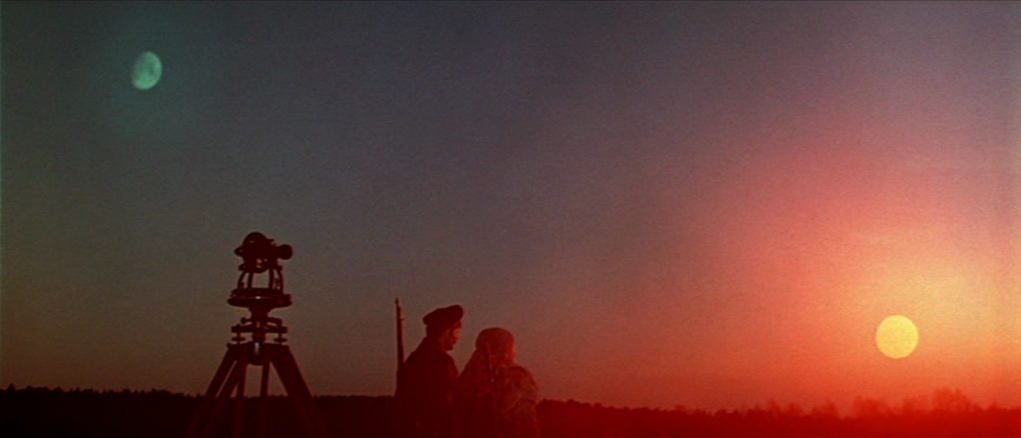
Kurosawa’s directorial prowess shines through in “Dersu Uzala,” with stunning visuals that capture the Siberian landscape’s majestic beauty. The director’s masterful use of wide shots and the incorporation of the environment as a character in itself immerse viewers in the wilderness. The stark contrast between the sprawling, untouched landscapes and the human presence highlights the fragility of nature and the need for responsible stewardship.
The film’s pacing, coupled with its evocative soundtrack, contributes to its emotional resonance. The music complements the visuals, enhancing the storytelling experience and evoking a range of emotions, from wonder to contemplation.
“Dersu Uzala” remains a timeless film due to its exploration of universal themes. Its messages about humanity’s connection to nature, the impact of cultural encounters, the value of friendship, and the need for compassion continue to hold relevance in contemporary society. As conversations about environmental conservation, cultural understanding, and human relationships persist, the film’s insights serve as a source of inspiration and contemplation.
“Dersu Uzala” is more than just a film; it is a cinematic meditation on the intricate interplay between humanity, nature, and culture. Akira Kurosawa’s directorial brilliance, combined with the heartfelt performances of the cast, elevates this movie to a work of art that transcends cultural boundaries and time periods. As we continue to navigate a world grappling with environmental challenges, cultural diversity, and the complexities of human relationships, the themes explored in “Dersu Uzala” serve as a beacon of wisdom and reflection.
The film prompts us to reconsider our relationship with the natural world, encouraging us to reconnect with the rhythms and wonders of the environment. Dersu Uzala’s way of life, deeply rooted in respect for nature, invites us to pause and reflect on our role as stewards of the Earth. In an era marked by ecological crises and climate change, the film’s portrayal of a harmonious coexistence between humans and nature offers valuable lessons on sustainable living and responsible conservation.
Cultural encounters and the dissolution of language barriers are also pertinent topics in today’s globalized world. The film’s depiction of the profound bond between Arsenyev and Dersu showcases the potential for understanding and connection even in the absence of a shared language. In a time when cultural diversity is both celebrated and sometimes threatened, the film’s emphasis on empathy and genuine human connections transcending linguistic and cultural divides is a poignant reminder of our shared humanity.
Furthermore, the theme of friendship and compassion remains a universal and timeless concept. As social dynamics shift in response to technological advancements, the film’s exploration of authentic relationships serves as a reminder of the depth and importance of human connections. Dersu and Arsenyev’s friendship demonstrates that true companionship is not bound by societal norms, but rather flourishes through shared experiences, mutual respect, and an appreciation for each other’s uniqueness.
In the realm of cinema, “Dersu Uzala” holds a significant place as a testament to the power of storytelling and visual storytelling. Kurosawa’s mastery of cinematic techniques, such as capturing the grandeur of the Siberian landscape, effectively conveys the vastness and majesty of nature. The film’s visual language communicates emotions and themes that words alone cannot express. This legacy continues to inspire filmmakers and audiences alike to harness the medium’s potential for evoking powerful emotions and fostering meaningful contemplation.
As we reflect on “Dersu Uzala,” it becomes evident that the film’s enduring relevance lies in its ability to spark conversations and introspection across generations. Whether it’s a call to reevaluate our relationship with the environment, a reminder of the importance of cross-cultural understanding, or an invitation to nurture genuine friendships, the film’s messages are a guiding light in an ever-changing world.
In conclusion, “Dersu Uzala” remains a masterpiece that invites us to explore the depths of our humanity, our connection to nature, and our capacity for empathy and understanding. Through its timeless themes and evocative storytelling, the film encourages us to embark on our own journeys of self-discovery, cultural exploration, and harmonious coexistence with the world around us. As we engage with the film’s characters and their experiences, we are reminded that in the vast tapestry of existence, it is our shared experiences and connections that truly define us.
“Dersu Uzala” not only invites us to reflect on the themes it presents but also encourages us to take action in our own lives. The film’s messages are not meant to remain confined within the realm of cinema; they are meant to resonate in our thoughts, actions, and decisions.
In our modern world, where urbanization and technology often distance us from the natural world, the film’s portrayal of Dersu’s intimate connection with nature serves as a reminder of the beauty and wisdom that can be gained from a harmonious relationship with the environment. We are reminded to step outside our comfort zones, immerse ourselves in nature, and rediscover the wonder that comes with exploring the wilderness. Whether it’s a walk in a nearby park or a journey to a remote corner of the world, the film encourages us to reconnect with nature and foster a sense of responsibility for its preservation.
Furthermore, “Dersu Uzala” highlights the need for cross-cultural understanding and empathy in our increasingly diverse and interconnected world. As globalization continues to bring people from different backgrounds together, the film’s lessons about the value of genuine communication and respect for cultural differences become all the more significant. By embracing the perspectives of others and seeking common ground, we can bridge gaps and build connections that transcend superficial divisions.
The film’s portrayal of friendship and compassion also serves as a blueprint for nurturing meaningful relationships in our lives. As we navigate the complexities of modern relationships, we can draw inspiration from the unconditional bond between Dersu and Arsenyev. The film prompts us to cultivate friendships based on authenticity, mutual respect, and shared experiences rather than on external factors or social expectations. By doing so, we create a network of support and understanding that enriches our lives and contributes to our personal growth.
“Dersu Uzala” has left an indelible mark on cinema history, but its legacy extends beyond the realm of film. It serves as a guide for living more purposefully, connecting more deeply, and appreciating the world around us in all its complexity and beauty. The film encourages us to be conscious of our impact on the environment, to be open to learning from cultures different from our own, and to cultivate relationships that are based on empathy and authenticity.
In the grand tapestry of human experience, “Dersu Uzala” is a thread that weaves together the themes of nature, humanity, culture, and friendship. It invites us to step into the shoes of its characters, see the world through their eyes, and emerge with a renewed sense of wonder and understanding. As we continue our own journeys through life, let us carry the lessons of “Dersu Uzala” with us, letting them shape our actions, inform our decisions, and guide us toward a more harmonious and meaningful existence.
In conclusion, “Dersu Uzala” stands as a cinematic masterpiece that transcends time and culture. Kurosawa’s storytelling prowess, coupled with the powerful performances of the cast, brings to life a poignant narrative that explores the complexities of human nature, cultural encounters, and the profound bond between individuals and their natural surroundings. Through Dersu and Arsenyev’s journey, viewers are invited to reflect on their own connection to the environment, the significance of empathy, and the transformative power of genuine human connections. As the world continues to grapple with questions of identity, harmony, and stewardship, the lessons imparted by “Dersu Uzala” remain as relevant and necessary as ever.
Technical Commentary
Video
As explained above, “Dersu Uzula” was captured on the “house brand” 70mm film stock of Russian studio Mosfilm, a cost-cutting measure that prevented Kurosawa from the using the higher-quality stock of a company like Kodak. It’s also worth noting that some of the more obvious deficiencies present in Imprint’s 1080p transfer are a result of age-related damage, as the boutique label does not perform any in-house clean-up or other restoration.
Audio
Originally recorded in six-track surround, “Dersu Uzula’s” environmentally-driven soundstage makes exceptional use of organic sounds from nature: birds, weather, rustling leaves, and of course human activity to actively fill out the rear channels. It’s almost disarming in its opening moments, with a robust sonic presence that often fully envelops the viewer in a convincing way. Music plays its own part with a reasonably strong dynamic range, and the film’s front-forward effects are likewise cleanly recorded and easy to distinguish. Optional English subtitles are included during the film, which seem to align with that of a literal Russian translation. Obviously I’d have preferred to have “dubtitles” as well, but this is better than the alternative.
Special Features
- Audio Commentary – This fantastic full-length track features Japanese film expert Stuart Galbraith IV, whom die-hard Kurosawa fans might remember as author of The Emperor and the Wolf.
- Mapping Kurosawa: A History of “Dersu Uzala” (23:16) – Created exclusively for Imprint in 2022, this new interview with film writer and historian Michael Brooke covers a wide variety of topics including Dersu’s Academy Award win.
- Sound of the Taiga (17:59) – Another new piece produced by Imprint, this video essay by music historian David Schecter focuses on the film’s score by Isaac Schwarts. In addition to a short biography of the composer, this essay also speaks about the creative processes of both Kurosawa and Schwarts as well as its unique blend of traditional symphonic music and a rugged, nature-driven “sonic background”.
- Actor Yur Solomin – Three short, undated video interviews with “Arsenev” about different film-related topics, all obviously taken from an older DVD-era source, presented in Russian with forced English subtitles.
- On Writer Vladimir Arseniev (3:54)
- On Director Akira Kurosawa (9:04)
- On the Film (6:56)
- Making the Film (5:02) – This short behind-the-scenes documentary, presumably made to promote Dersu Uzala around the time of its theatrical release, includes black-and-white footage from the set. Much like the previous three interviews, it’s presented in Russian with forced English subtitles.




 spryfilm.com