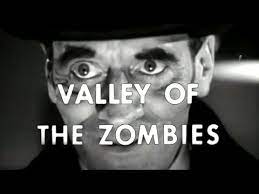
“Valley of the Zombies” (1946)
Horror

Running Time: 56 minutes
Written by: Dorrell McGowan and Stuart E. McGowan
Directed by: Philip Ford
Featuring: Robert Livingston, Adrian Booth, Ian Keith, Thomas E. Jackson, Charles Trowbridge and Earle Hodgins
Tagline: “BLOOD MADNESS… Out Of The Fog… Into Your Heart!”
Critical Commentary
In the realm of classic horror cinema, “Valley of the Zombies” stands as a remarkable gem that has captivated audiences for decades. Released in 1946, this black-and-white horror film has left an indelible mark on the genre, blending elements of mystery, horror, and the supernatural to create a unique cinematic experience. Directed by Philip Ford and produced by Republic Pictures, the film offers an intriguing storyline, compelling characters, and a distinct atmosphere that continues to intrigue and entertain audiences to this day.
“Valley of the Zombies” introduces us to a narrative that masterfully weaves together elements of horror and adventure. The story revolves around Dr. Maynard (Robert Livingston), a dedicated scientist whose research takes him on a journey into the heart of the Himalayas. His quest is fueled by a desire to uncover the secrets of immortality hidden within the region’s remote valleys.
Accompanied by his loyal assistant, Grant (Lorna Gray), and a team of explorers, Maynard discovers an ancient temple buried deep within the mountainous terrain. Inside, they stumble upon a hidden chamber containing a mysterious substance that possesses the power to reanimate the dead. Unbeknownst to Maynard, this discovery would lead to a series of events that challenge the very boundaries of life and death.
At its core, “Valley of the Zombies” delves into themes that have long fascinated audiences – the pursuit of eternal life, the consequences of tampering with nature, and the age-old struggle between good and evil. The allure of immortality is a motif that has been explored in literature and film for centuries, and this film adds a supernatural twist by introducing reanimation as a means to achieve that goal.
The film also raises ethical questions about the consequences of meddling with forces beyond human understanding. Dr. Maynard’s relentless pursuit of immortality ultimately leads to unintended and dire consequences, serving as a cautionary tale against the arrogance of playing with the balance of life and death.
The film’s characters are pivotal in driving the narrative and shaping the audience’s engagement with the story. Dr. Maynard emerges as a complex figure, driven by both scientific curiosity and the desire to conquer mortality. His transformation from a dedicated scientist to a morally conflicted individual adds depth to the character, making him relatable despite his questionable decisions.
Lorna Gray’s portrayal of Grant adds a layer of emotional depth to the story. As the film’s only significant female character, Grant’s courage and loyalty resonate strongly. Her presence serves as a counterbalance to the darker themes, injecting moments of empathy and humanity into the unfolding horror.
“Valley of the Zombies” stands out not only for its narrative but also for its effective use of cinematic techniques to create a gripping atmosphere. The black-and-white cinematography lends a sense of timelessness and nostalgia to the film. The use of shadows and lighting contributes to the eerie ambiance, especially in scenes that take place within the ancient temple and its surroundings.
The film’s pacing is deliberate, allowing the tension to build gradually as the mystery unfolds. Jump scares and suspenseful moments are strategically placed, heightening the viewer’s engagement with the unfolding events. The combination of these techniques keeps the audience on the edge of their seats, even by today’s standards.
While “Valley of the Zombies” might not have achieved the same level of fame as some other horror classics of its time, its influence on the genre cannot be denied. The film’s exploration of supernatural themes, moral dilemmas, and the fine line between life and death has left a lasting impression on subsequent horror films.
Moreover, the film’s portrayal of the consequences of human curiosity and the unpredictable outcomes of scientific experiments resonates with modern concerns about ethics in scientific research and the potential dangers of unchecked technological advancements.
In the vast landscape of horror cinema, “Valley of the Zombies” continues to hold its own as a cinematic achievement that has stood the test of time. Its captivating narrative, well-drawn characters, and skillful use of atmosphere make it a must-watch for fans of classic horror and those intrigued by the intersection of science, morality, and the supernatural. As audiences continue to seek stories that challenge their perceptions of life and death, “Valley of the Zombies” remains a captivating journey into the unknown, inviting viewers to ponder the mysteries that lie beyond the veil of the ordinary.
“Valley of the Zombies” might not be a household name like some of its horror contemporaries, but its impact on the genre is undeniable. The film’s fusion of adventure, horror, and supernatural elements set a precedent for later filmmakers to experiment with genre boundaries. The concept of reanimation and the quest for eternal life found in the film have since become recurring themes in horror and science fiction, influencing works like “Frankenstein,” “The Mummy,” and even modern zombie narratives.
The film’s approach to suspense and atmosphere also played a role in shaping horror filmmaking techniques. The careful manipulation of shadows, lighting, and sound effects to build tension demonstrated an understanding of how to engage audiences’ emotions and keep them on the edge of their seats. Filmmakers today continue to draw inspiration from these techniques to craft their own spine-chilling moments.
As with many classic films, “Valley of the Zombies” reflects the societal concerns and cultural interests of its era. Released in the post-World War II period, the film’s themes of life, death, and the unknown may resonate with the uncertainties of a society emerging from the horrors of war. Additionally, the film’s emphasis on the consequences of scientific ambition serves as a reminder of the ethical questions surrounding scientific advancements and the potential dangers of unchecked curiosity.
In a broader sense, the film also taps into humanity’s age-old fascination with mortality and the desire to cheat death. This timeless preoccupation with the mysteries of life and the afterlife has persisted across cultures and epochs, and “Valley of the Zombies” taps into that universal fascination, exploring the lengths to which individuals might go to achieve immortality.
Over time, the film’s visual and auditory elements have inevitably deteriorated. However, its significance has not been forgotten, and efforts have been made to restore and preserve “Valley of the Zombies” for future generations. Restoration projects not only aim to enhance the film’s visual and auditory quality but also to ensure that its narrative and cinematic impact are preserved for modern audiences.
Preservation efforts help bridge the gap between generations of moviegoers, allowing contemporary viewers to experience the same intrigue and suspense that captivated audiences of the past. By maintaining the film’s integrity, these restoration initiatives pay homage to its historical and cultural relevance, ensuring that it remains accessible to audiences and scholars alike.
“Valley of the Zombies” has left an indelible mark on popular culture, and its influence continues to be felt in various forms of media. From literature to television and beyond, elements of the film’s narrative and themes have been incorporated into new and innovative contexts. It’s not uncommon to see nods and references to the film in modern horror works, demonstrating its lasting impact on the genre.
Furthermore, the film’s core themes and ethical dilemmas have resonated across time, making it ripe for reinterpretation and adaptation. A contemporary reimagining could explore questions about the ethical implications of scientific experimentation, as well as delve deeper into the emotional turmoil experienced by characters caught between their ambitions and the potential consequences of their actions.
Technical Commentary
Video
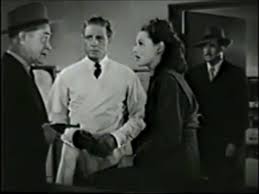
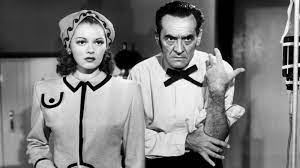
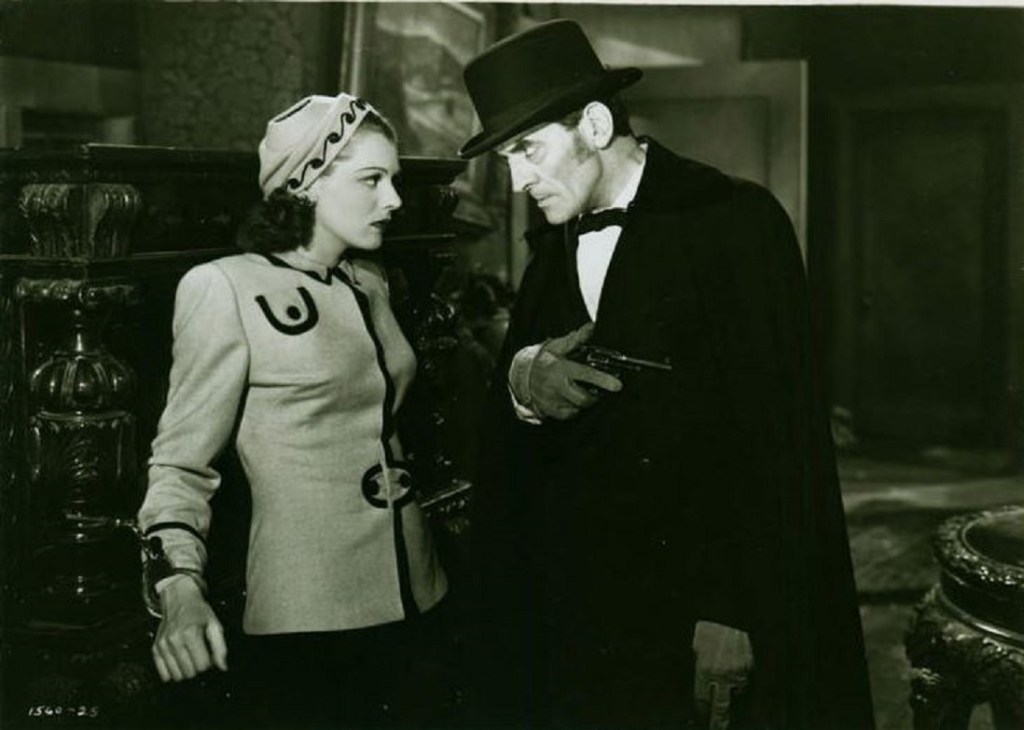
“Valley of the Zombies” is presented on Blu-ray courtesy of Imprint and Via Vision Entertainment with an AVC encoded 1080p transfer in 1.37:1. This, along with “Return of the Ape Man”, represents the lower end of the quality spectrum in terms of overall appearance. Whereas I found parts of “The Phantom Speaks’s” transfer to be a bit on the bright side, this one struck me as too dark a lot of the time, though that may be a perception derived at least in part from the fact that vast swaths of the film take place in dimly lit environments, as can probably be gleaned from several of the screenshots accompanying this review.
Audio
“Valley of the Zombies” features an LPCM 2.0 Mono track that is, like several of the others in this set from this same general vintage, kind of inherently boxy sounding, but which provides capable support for dialogue, score and effects.
Special Features
- Audio Commentary by Film Historian Tim Lucas
- Audio commentary with horror / fantasy authors Stephen Jones and Kim Newman


 spryfilm.com