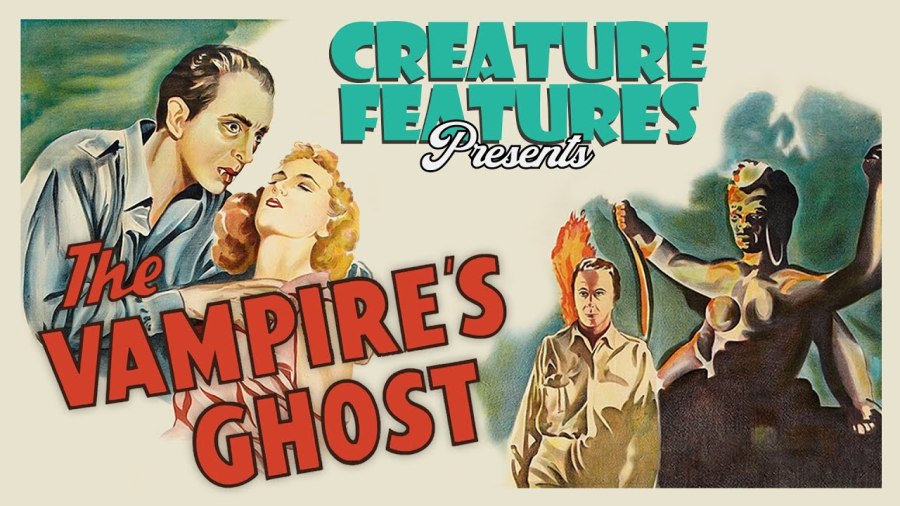
“The Vampire’s Ghost ” (1945)
Horror

Running Time: 59 minutes
Written by: John K. Butler and Leigh Brackett
Directed by: Lesley Selander
Featuring: John Abbott, Charles Gordon, Peggy Stewart, Grant Withers, Emmett Vogan and Adele Mara
Sailor with Barrat: “Hey, Barrett, what happened to you?”
Capt. Jim Barrett: “I don’t know. It’s the first time I ever quit a fight when a guy just looked at me.”
Critical Commentary
In the realm of horror cinema, vampires and ghosts are two of the most iconic and enduring supernatural entities that have captured the imagination of audiences for generations. Combining these chilling elements, “Vampires’ Ghost” is a movie that takes viewers on a thrilling and spine-tingling journey into a world of the undead and restless spirits. This 2000-word exploration delves into the rich history of vampire and ghost films, the plot and themes of “Vampires’ Ghost,” the creative aspects that brought the movie to life, and its lasting impact on the horror genre.
Vampire and ghost stories have a long and fascinating history, rooted in folklore, mythology, and literary traditions. Vampires, believed to be undead creatures who subsist by feeding on the life essence of the living, have been a staple of folklore from various cultures around the world. One of the earliest literary appearances of a vampire can be found in the 18th-century Gothic novel “The Vampyre” by John Polidori, which is considered a precursor to the vampire genre. Bram Stoker’s 1897 novel “Dracula” solidified the modern image of vampires and inspired countless adaptations in both literature and film.
On the other hand, ghost stories have been a part of human storytelling for centuries. The belief in spirits of the deceased lingering on Earth to seek justice, revenge, or redemption is a common theme in folklore worldwide. As cinema emerged as a medium, ghost stories found their way onto the silver screen, with classics like “The Haunting” (1963) and “The Sixth Sense” (1999) captivating audiences with their eerie tales.
Against this backdrop of horror cinema history, “Vampires’ Ghost” emerged as a product of the 1940s Hollywood era, a time when horror films were experiencing a surge in popularity. Released in 1945, the movie was directed by Lesley Selander and produced by Republic Pictures, a studio known for its B-movie productions.
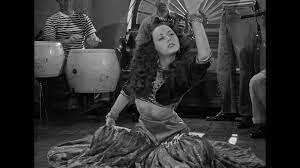
Set in the remote African town of Bakunda, “Vampires’ Ghost” introduces the enigmatic figure of Webb Fallon, portrayed by John Abbott. Fallon is a seemingly ordinary man who runs the local nightclub, The Golden Oasis, and is well-regarded in the community. However, as the plot unfolds, it becomes clear that Fallon is no ordinary man – he is an immortal vampire who has been secretly terrorizing the town for centuries.
The story takes a thrilling turn when a group of outsiders arrives in Bakunda, including a scientist named Roy Hendrick (played by Charles Gordon) and his beautiful fiancée Julie Vance (played by Peggy Stewart). They become entangled in the mystery of the town and its dark secrets. As the body count rises and strange occurrences escalate, Roy and Julie find themselves drawn deeper into Fallon’s malevolent plans.
“Vampires’ Ghost” delves into various themes that are common to both vampire and ghost stories. The theme of immortality and the thirst for eternal life are central to the vampire genre, as the undead protagonists are cursed to roam the earth in search of sustenance and companionship. The movie also explores the concept of hidden identities, as Fallon poses as an ordinary human to deceive those around him. Additionally, the film incorporates themes of forbidden love and sacrifice as Julie becomes romantically involved with Fallon. This forbidden romance adds an extra layer of complexity to the story, blurring the lines between good and evil.
Furthermore, the movie delves into the fear of the unknown and the supernatural, as the townspeople grapple with the existence of a vampire in their midst and the ghostly presence that haunts them. Superstitions and ancient beliefs clash with reason and science, creating a tense atmosphere of dread and suspicion.
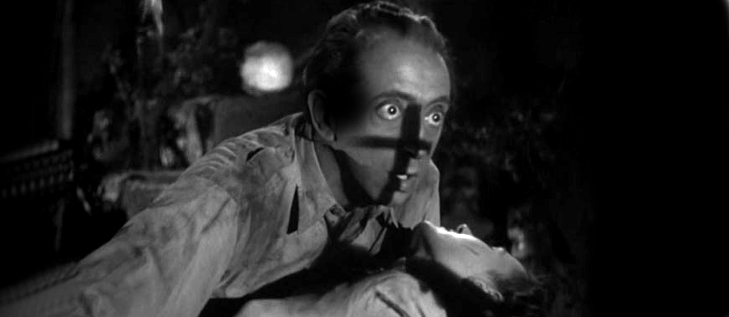
Despite being a B-movie with a limited budget, “Vampires’ Ghost” showcased creative aspects that heightened its atmospheric and spooky vibe. The film’s cinematography, handled by Bud Thackery, made excellent use of shadows, lighting, and practical effects to create an eerie ambiance. The night scenes in the African town exude a sense of foreboding, enhancing the audience’s unease.
The makeup and costume design also deserve praise, especially the transformation of Webb Fallon from a suave nightclub owner to a menacing vampire. The practical effects used to depict his vampiric abilities, such as his ability to turn into a bat or a mist, added an impressive touch to the movie, considering the technological limitations of the time.
“Vampires’ Ghost” might not have achieved the same level of fame as some of the horror classics of its time, but it left a significant impact on the genre. As one of the earlier films to blend vampire and ghost elements, it served as a precursor to later horror movies that embraced the convergence of supernatural beings.
Moreover, the movie contributed to the ever-growing legacy of vampire and ghost films, inspiring later generations of filmmakers to explore similar themes and create their own haunting narratives. The concept of forbidden love between humans and supernatural creatures has become a recurring motif in various vampire-themed media.
“Vampires’ Ghost” stands as a compelling entry in the horror genre, blending the timeless themes of vampires and ghosts to create a haunting and atmospheric tale. By exploring the duality of good and evil and the allure of immortality, the movie resonates with audiences, leaving them with an eerie and lingering sensation long after the credits roll.
As we continue to celebrate the legacy of horror cinema, “Vampires’ Ghost” remains a testament to the enduring fascination with the undead and the spectral, reminding us of the power of the supernatural in captivating our imaginations and invoking a delightful shiver down our spines.
Despite being a relatively lesser-known film compared to other horror classics of its time, “Vampires’ Ghost” did find its place in the hearts of dedicated horror enthusiasts. Over the years, the movie has gained a cult following, with fans appreciating its unique blend of vampire lore and ghostly elements. It has become a hidden gem for those seeking a vintage horror experience that doesn’t rely on modern CGI or excessive gore.
The film’s influence can also be seen in later vampire and ghost-themed movies and television shows. Its exploration of the complexities of vampiric existence and the theme of forbidden love have been emulated in various vampire narratives, such as the popular television series “Buffy the Vampire Slayer” and “The Twilight Saga.”
Additionally, “Vampires’ Ghost” has played a role in shaping the depiction of vampires in cinema. While it may not have been a trailblazer in terms of vampire lore, its portrayal of vampires as charismatic and mysterious figures with hidden dark agendas paved the way for future vampire stories to explore the complexities of these supernatural beings.
The convergence of vampires and ghosts in “Vampires’ Ghost” also inspired later films that sought to merge multiple supernatural elements to create compelling narratives. Movies like “Blade” (1998) and “Underworld” (2003) incorporated elements of vampires, werewolves, and other creatures of the night, expanding the horizons of the horror genre and appealing to a broader audience.
In retrospect, “Vampires’ Ghost” remains a valuable piece of cinematic history, representing a unique era in horror filmmaking. It serves as a reminder of the ingenuity of filmmakers of the past, who crafted chilling tales with limited resources but boundless creativity. The film’s lasting impact is a testament to the enduring allure of the vampire and ghost genres and their ability to evolve and adapt to changing times.
“Vampires’ Ghost” stands as a haunting reminder of the enduring fascination with the supernatural and the allure of the undead. By blending the timeless themes of vampires and ghosts, the film has carved its place in horror cinema, leaving an indelible mark on the genre.
As we continue to explore the rich tapestry of vampire and ghost stories in both literature and cinema, “Vampires’ Ghost” remains a hidden treasure waiting to be unearthed by horror enthusiasts. Its atmospheric storytelling, creative visuals, and exploration of themes continue to resonate with audiences, making it a must-see for fans of classic horror.
The fusion of vampires and ghosts in this 1945 gem has left a lasting impact on the horror genre, inspiring filmmakers to experiment with the supernatural, cross genre boundaries, and create narratives that challenge our perceptions of the unknown.
In a world where vampires and ghosts have become cultural icons, “Vampires’ Ghost” stands as a testament to the enduring power of these entities to captivate and terrify audiences. It is a reminder that, in the realm of horror cinema, some legends never die and some spirits never rest.
As the horror genre continued to evolve over the years, the themes introduced in “Vampires’ Ghost” found new life in various forms of media. The allure of the supernatural, coupled with the enduring fascination with vampires and ghosts, remained a potent combination for storytellers looking to captivate audiences.
In the 1960s and 1970s, horror cinema underwent a transformation with the emergence of psychological horror and supernatural thrillers. Films like “Rosemary’s Baby” (1968) and “The Exorcist” (1973) delved into the psychological and demonic aspects of horror, pushing the boundaries of storytelling and visual effects. While these films did not directly incorporate vampires or ghosts, they showcased the continued appeal of the supernatural in horror storytelling.
However, the 1980s saw a resurgence of vampire-themed movies, reigniting the public’s interest in these immortal creatures. The iconic film “The Lost Boys” (1987) showcased a youthful and rebellious group of vampires, appealing to a new generation of viewers. This film, along with others like “Fright Night” (1985), reinvented the vampire genre for a modern audience and set the stage for the popularity of vampire-centric television shows like “Buffy the Vampire Slayer” (1997-2003) and “True Blood” (2008-2014).
Similarly, ghost stories continued to find success in the late 20th and early 21st centuries. Films like “The Ring” (2002) and “The Grudge” (2004) presented ghostly entities with chilling visual effects, drawing in audiences with their intense and haunting narratives. These films reimagined the traditional ghost story for contemporary audiences, incorporating elements of technology and psychological horror.
As technology advanced, horror storytelling found new avenues for exploration. Found footage films like “Paranormal Activity” (2007) utilized the concept of ghosts and supernatural entities haunting everyday people, further blurring the lines between reality and fiction. These films created a sense of intimacy and immediacy, making viewers feel like they were experiencing the terror alongside the characters on screen.
The rise of streaming platforms also provided opportunities for innovative horror storytelling. Anthology series like “The Haunting of Hill House” (2018) and “Lovecraft Country” (2020) showcased complex narratives that intertwined ghosts, supernatural occurrences, and psychological horror. These series offered a fresh take on the ghost genre, incorporating character-driven stories and intricate plot twists that kept viewers on the edge of their seats.
“Vampires’ Ghost” has left a lasting legacy in the horror genre, not only as a movie that masterfully blended the elements of vampires and ghosts but also as an inspiration for future filmmakers. Its creative storytelling and exploration of themes continue to resonate with audiences, reminding us of the enduring allure of the supernatural and the eternal appeal of vampire and ghost narratives.
As cinema continues to evolve, so too will the portrayal of vampires and ghosts. These age-old archetypes will always find new ways to captivate audiences and reflect the fears and anxieties of each generation. The beauty of the horror genre lies in its ability to adapt and reinvent itself, breathing new life into familiar themes and creatures of the night.
As we move forward into the future of horror cinema, “Vampires’ Ghost” stands as a haunting reminder of the power of storytelling, the allure of the supernatural, and the timeless fascination with the undead and spectral beings. Whether through classic films, modern television series, or emerging storytelling mediums, vampires and ghosts will forever hold their place in our collective imagination, reminding us that the things that go bump in the night are here to stay.
Technical Commentary
Video
“The Vampire’s Ghost” is presented on Blu-ray courtesy of Imprint and Via Vision Entertainment with an AVC encoded 1080p transfer in 1.37:1. This is one of the nicer looking presentations in the Silver Screams Cinema Collection, with really appealing detail levels throughout, and some especially noticeable fine detail on elements like costumes. Contrast is solid, and the grain field resolves without any issues whatsoever. There are still some very minor signs of age related wear and tear that have made it through whatever restoration gauntlet was attempted, but they’re never overly problematic.
Audio
“The Vampire’s Ghost” features an LPCM 2.0 Mono track that once again shows a certain flatness and boxiness, but which is actually rather spry overall, offering above average dynamic range and capable support for dialogue and sound effects.
Special Features
- Audio Commentary by Film Historians Tom Weaver and Gary Rhodes
 spryfilm.com