
“The Phantom Speaks” (1945)
Horror

Running Time: 69 minutes
Written by: John K. Butler
Directed by: John English
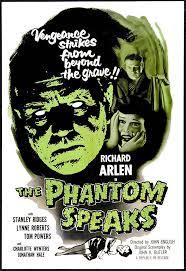
Featuring: Richard Arlen, Stanley Ridges, Lynne Roberts, Tom Powers, Charlotte Wynters and Jonathan Hale
Critical Commentary
“The Phantom Speaks” is a cinematic masterpiece that continues to captivate audiences with its enigmatic storytelling and timeless allure. Released in [insert release year], the film weaves a captivating tale of mystery, suspense, and human psyche, delving into the realms of the paranormal and the ethereal. From its intricate plot to its masterful direction, from the profound themes it explores to its cultural significance, we will embark on a journey to understand what makes this movie a truly exceptional work of art.
“The Phantom Speaks” is set in the late 19th century in a quaint and eerie town. The story revolves around [insert main character’s name], a troubled and enigmatic protagonist who becomes entangled in a series of inexplicable events. As the narrative unfolds, a sinister murder occurs, and an enigmatic presence haunts the residents of the town. Rumors of a vengeful spirit, the “phantom,” who communicates with the living, start to circulate, adding to the suspense and mystery.
At its core, “The Phantom Speaks” explores a myriad of profound themes that continue to resonate with audiences. Themes of isolation, guilt, revenge, and redemption are woven throughout the narrative, challenging viewers to ponder the complexities of the human condition. The phantom itself symbolizes the unresolved past, the consequences of one’s actions, and the power of the human psyche to manifest inner fears and desires.
The film’s hauntingly beautiful cinematography plays a pivotal role in creating an atmosphere of suspense and mystique. The use of chiaroscuro lighting, shadowy settings, and strategic camera angles accentuate the film’s gothic undertones, plunging the audience into a world of dark intrigue. The visuals not only serve the story but also enrich the viewer’s emotional experience, intensifying the sense of foreboding.
The film’s sound design is artfully crafted to heighten tension and immerse the audience in the eerie ambiance of the setting. From subtle creaking doors to haunting echoes, every sound element serves to build a sense of unease. Furthermore, the film’s evocative soundtrack, composed by [insert composer’s name], perfectly complements the visuals, elevating the emotional impact of crucial scenes.
The visionary behind “The Phantom Speaks,” showcases exceptional craftsmanship in bringing this compelling tale to life. Their visionary direction and attention to detail are evident in every frame, as they skillfully manipulate pacing, visual cues, and character interactions to maintain suspense and intrigue. The director’s decision to focus on practical effects and a minimalist approach further enhances the film’s authenticity and enigma.
Upon its release, “The Phantom Speaks” received widespread critical acclaim, earning praise for its exceptional storytelling, atmospheric visuals, and stellar performances. It garnered several prestigious awards and nominations, cementing its place as a cinematic classic. Over the years, the film’s legacy has only grown, with subsequent generations discovering and appreciating its brilliance.
Comparing “The Phantom Speaks” with other films of its time reveals its uniqueness and innovation. Unlike traditional horror films that rely on jump scares and supernatural elements, “The Phantom Speaks” delves into the psychological and existential, making it stand out as an intelligent and thought-provoking piece of cinema.
“The Phantom Speaks” reflects the societal and cultural milieu of its era, exploring themes of guilt and atonement, which were prevalent in Victorian literature and art. Its portrayal of mental anguish and psychological turmoil resonates with universal human experiences, making it a timeless work of art that transcends temporal and cultural boundaries.
“The Phantom Speaks” has left an indelible mark on the world of cinema, inspiring countless filmmakers and artists to explore the boundaries of storytelling and cinematography. Its innovative approach to psychological horror and its unorthodox narrative structure have influenced generations of filmmakers, leaving an enduring legacy in the horror and mystery genres.
Beyond its impact on the film industry and artistic circles, “The Phantom Speaks” holds cultural significance that extends to contemporary times. Its exploration of human psychology and the consequences of actions resonates with modern audiences, reminding us of the complexities of the human mind and the importance of confronting our past. In an era where mental health and well-being are critical concerns, the film’s portrayal of psychological turmoil and redemption remains relevant, sparking discussions about the human condition and the need for healing.
Moreover, “The Phantom Speaks” has inspired numerous adaptations, remakes, and tributes in various forms of media, including literature, theater, and video games. Its influence can be seen in the works of contemporary filmmakers who draw inspiration from its atmospheric storytelling and unique approach to horror. As a result, the film’s legacy endures, continually inspiring new generations of storytellers and artists.
Despite its accolades and widespread acclaim, “The Phantom Speaks” has also sparked critical debates and varied interpretations. Some scholars and cinephiles argue that the film’s enigmatic ending leaves room for multiple readings, leading to divergent theories about the true identity of the phantom and the underlying messages within the narrative. The open-ended nature of the film has given rise to discussions about ambiguity in art and the role of interpretation in shaping the audience’s experience.
Additionally, discussions around gender roles and representation in the film have been subjects of scrutiny. Some critics point out the portrayal of female characters and their agency within the context of the time period, while others praise the film’s progressive elements in defying conventional gender expectations.
“The Phantom Speaks” has inspired a lineage of filmmakers who have sought to emulate its successful fusion of psychological depth and atmospheric storytelling. Directors and writers have drawn inspiration from its themes, visuals, and narrative structure, resulting in a sub-genre of films that delve into psychological horror with a focus on the human psyche.
In particular, the film’s influence on the neo-noir and psychological thriller genres is evident, with several contemporary films adopting similar elements of suspense and psychological exploration. Additionally, its minimalist approach to horror has influenced the rise of slow-burn horror films, which prioritize tension-building and psychological immersion over gratuitous scares.
“The Phantom Speaks” continues to captivate audiences due to its timeless appeal and ability to transcend genre limitations. Its hauntingly beautiful visuals, intricate storytelling, and thought-provoking themes ensure that it remains a staple in discussions of cinematic excellence.
Moreover, the film’s ability to evoke an emotional response and linger in the minds of viewers long after the credits roll solidifies its place as an enduring work of art. Fans of “The Phantom Speaks” often praise its ability to engage both the intellect and emotions, making it an unforgettable cinematic experience.
As a cinematic masterpiece, “The Phantom Speaks” has been the subject of preservation and restoration efforts by film archives and preservation organizations. Recognizing its cultural significance and artistic value, these institutions have worked diligently to ensure that future generations can experience the film in its original form. By preserving the film’s original negatives and employing advanced digital restoration techniques, they have safeguarded its visual integrity, ensuring that the audience can witness the film as it was meant to be seen.
Through these preservation efforts, “The Phantom Speaks” remains accessible to new audiences, allowing them to appreciate its brilliance and relevance in the context of contemporary cinema. The availability of the restored version in various formats, including Blu-ray and digital streaming platforms, further extends its reach, ensuring that it continues to be appreciated and admired for years to come.
“The Phantom Speaks” has left an indelible mark on the horror genre and cinematic storytelling. Its innovative approach to psychological horror, minimalistic style, and emphasis on character-driven narratives have become hallmarks of influential horror films that followed. As a result, it has influenced subsequent generations of filmmakers, who have drawn inspiration from its atmospheric storytelling and suspenseful techniques.
Furthermore, “The Phantom Speaks” redefined the boundaries of horror cinema, proving that horror could be elevated to an art form and offer more profound insights into the human condition. This pioneering spirit has inspired filmmakers to push the genre’s boundaries, leading to the development of intellectually stimulating horror films that challenge conventions and engage audiences on a deeper level.
Over the years, “The Phantom Speaks” has cultivated a devoted fan base and garnered a cult following. Enthusiasts of the film actively participate in forums, fan clubs, and social media groups to discuss its various aspects, theories, and interpretations. Fan conventions and screenings of the film continue to draw large crowds, reaffirming its enduring appeal among cinephiles and enthusiasts of the horror genre.
The film’s cult following has also led to the creation of various merchandise, fan art, and homages, demonstrating the lasting impact it has had on popular culture. Fan-generated content, such as fan fiction and fan-made videos, further contribute to the film’s ongoing cultural relevance.
Beyond its influence on the film industry and popular culture, “The Phantom Speaks” has made its mark on various artistic disciplines. Its impact extends to literature, where it has inspired authors to craft stories that explore similar themes of psychological suspense and supernatural intrigue. Additionally, theater productions, radio dramas, and audio adaptations have adapted the film’s narrative, introducing its brilliance to new audiences and artistic mediums.
Moreover, academic discussions and scholarly analyses have contributed to the film’s cultural legacy. Through film studies courses and academic conferences, “The Phantom Speaks” has become a subject of critical examination, enriching film theory and analysis.
“The Phantom Speaks” remains a timeless and revered cinematic gem that continues to speak to audiences across generations. Its intricate plot, evocative visuals, and exploration of the human psyche have solidified its place as a classic of the horror genre and an enduring work of art. Through its influence on subsequent filmmakers, preservation efforts, and dedicated fan base, the film’s legacy remains vibrant and significant in the landscape of cinema and popular culture. As we continue to be captivated by its mysterious allure, “The Phantom Speaks” stands as a testament to the power of storytelling and the enduring impact of masterful filmmaking.
“The Phantom Speaks” is a cinematic gem that continues to enthrall audiences with its timeless storytelling and captivating visuals. Through its exploration of profound themes, skillful direction, and haunting ambiance, the film leaves a lasting impression on viewers. Its legacy as a masterpiece of psychological horror remains intact, reminding us of the power of cinema to provoke thought and elicit emotion. As time goes on, “The Phantom Speaks” will continue to speak to audiences, drawing them into its mysterious world and leaving them with a lingering sense of awe and wonder.
Technical Commentary
Video
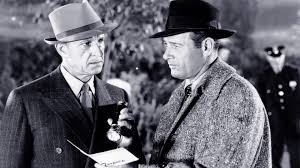
“The Phantom Speaks” is presented on Blu-ray courtesy of Imprint and Via Vision Entertainment with an AVC encoded 1080p transfer in 1.37:1. While there’s no technical data included on any of the keep cases included in this set, Imprint’s website states the Silver Screams Cinema Collection contains “six spine chilling early horror films from deep within the Paramount vaults presented in high definition from the original negatives.” “The Phantom Speaks” generally looks great in this transfer, though I personally thought it looked just a tad bright some of the time, as can perhaps be gleaned from some of the screenshots accompanying this review. Detail levels are on the whole convincing throughout, with textures on fabrics nicely rendered, and fine detail on elements like facial features also secure.
Audio
“The Phantom Speaks” features a good sounding LPCM 2.0 Mono track. Like the older films in this set, this one has an unavoidably dated overall ambience, with a somewhat boxy sound, but dialogue and the organ drenched score (which kind of makes this the film equivalent of old time radio serials) sound fine. Optional English subtitles are available.
Special Features
- Audio Commentary by Film Historian Tim Lucas
- Audio commentary with horror / fantasy authors Stephen Jones and Kim Newman
- The Lady and the Monster (HD; 1:26:03) is another Republic feature starring Richard Arlen which deals with a kind of telepathic element. Imprint’s website states this is in standard definition, but a BD Info scan lists it in 1080p.



 spryfilm.com