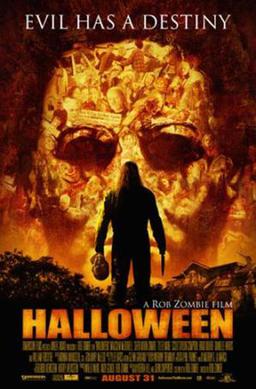
“Halloween II” (2009)
Horror

Running Time: 105 minutes
Written and directed by: Rob Zombie
Featuring: Malcolm McDowell, Tyler Mane, Sheri Moon Zombie, Brad Dourif, Danielle Harris and Scout Taylor-Compton
Dr. Samuel Loomis: “Michael Myers is fucking dead!”
Critical Commentary
“Halloween II” (2009) is a horror film directed by Rob Zombie and serves as a sequel to his 2007 remake of John Carpenter’s classic 1978 film, “Halloween.” Known for his distinct style and controversial approach to horror, Rob Zombie took on the challenge of expanding the Halloween universe and presenting a unique take on the iconic slasher franchise. In this 2000-word analysis, we will delve into the plot, characters, themes, and impact of “Halloween II” (2009).
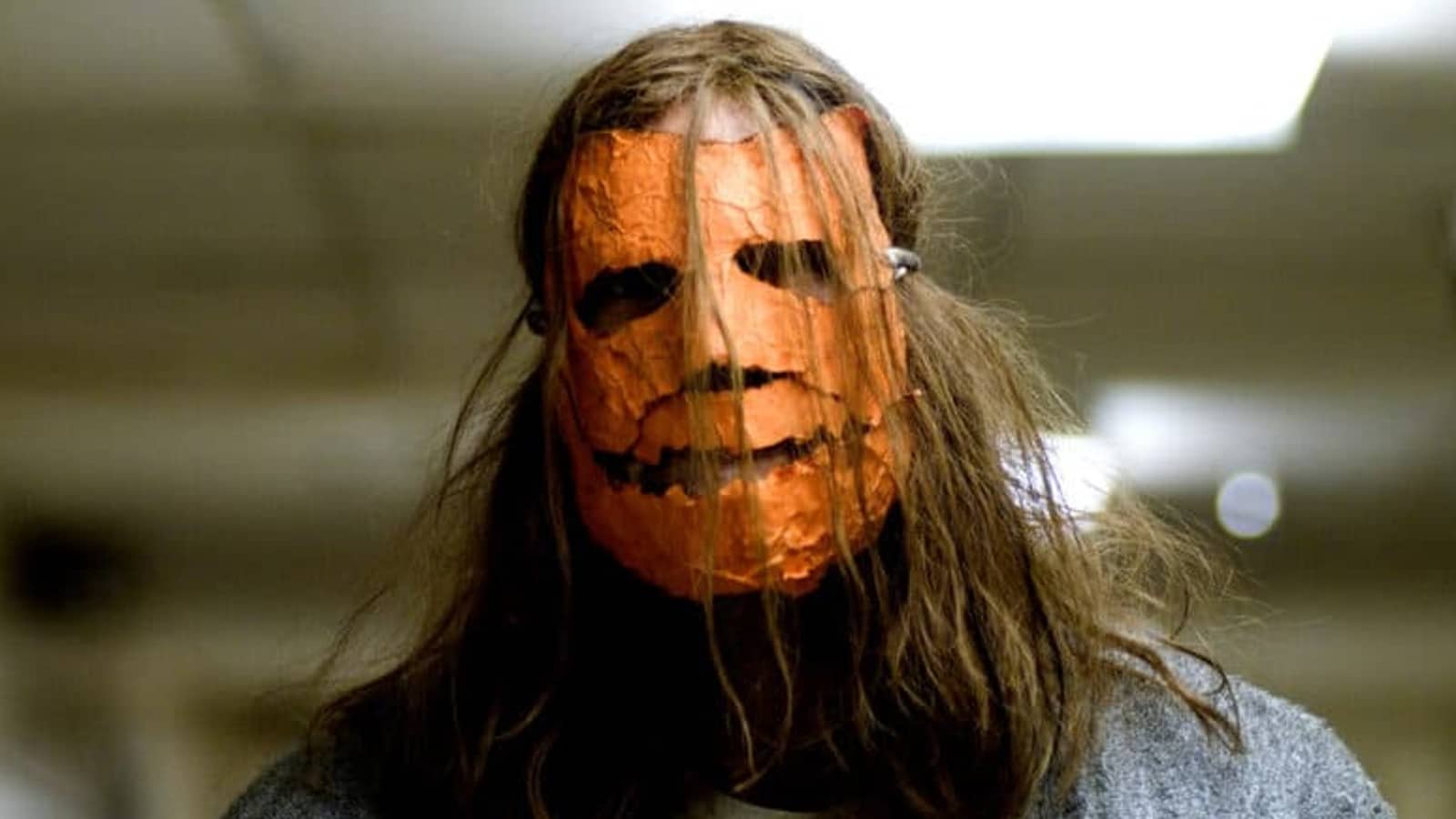
“Halloween II” (2009) picks up immediately after the events of the previous film. Laurie Strode (played by Scout Taylor-Compton), the sole survivor of Michael Myers’ (played by Tyler Mane) murderous rampage, is found traumatized and in shock after the encounter. She is taken to the Haddonfield Memorial Hospital for treatment, where she begins experiencing intense and vivid nightmares of her past.
Meanwhile, Dr. Samuel Loomis (played by Malcolm McDowell), the psychologist who treated Michael Myers before his escape, has become a celebrity author, capitalizing on the tragedy by writing a best-selling book about Michael’s crimes. Loomis portrays Michael as pure evil, a monster with no shred of humanity. This portrayal generates controversy as some people feel it misrepresents the complex nature of the human mind.
As Halloween night approaches, Michael Myers awakens from his coma and resumes his killing spree. His obsession with Laurie Strode intensifies as he seeks to reunite with his last living relative. The film explores the idea of fate and the inescapable ties that bind Laurie and Michael together, delving into the psychological connection between them.
In a twist on the original series, the film introduces a psychological element that blurs the line between reality and hallucination. Laurie’s mental state begins to deteriorate, and the audience is left questioning the authenticity of some events in the film. This artistic choice adds a layer of complexity to the narrative, giving the audience a glimpse into Laurie’s fragile psyche.
Throughout the film, Laurie is haunted by visions of her mother, Deborah Myers (played by Sheri Moon Zombie), who was seen briefly in the previous movie as a ghostly figure guiding young Michael. Deborah’s presence in Laurie’s visions acts as a haunting reminder of Michael’s traumatic past and raises questions about the inherited nature of evil.
As the night unfolds, Laurie faces her own inner demons, battling with the knowledge of her true identity and her connection to Michael. The film delves into the concept of duality, suggesting that Laurie and Michael share a dark bond that goes beyond their familial ties. This exploration of dualism and interconnectedness serves to question the nature of good and evil, blurring the lines between victim and perpetrator.
In a climactic showdown, Laurie confronts Michael at the childhood home they once shared. As the two face off, Laurie fights back with a newfound strength, empowered by her will to survive and protect herself from the evil that has pursued her. The final act is filled with intense and brutal violence, as the film embraces its slasher roots while pushing the boundaries of horror storytelling.
Rob Zombie’s “Halloween II” (2009) offers a more in-depth exploration of its characters compared to the original series. Laurie Strode, in particular, undergoes significant development. She transforms from the innocent and vulnerable girl in the previous film into a survivor tormented by her past and determined to take control of her life. Scout Taylor-Compton’s portrayal of Laurie captures the character’s trauma and vulnerability, making her a more relatable and sympathetic figure.
Dr. Samuel Loomis, portrayed by Malcolm McDowell, takes on a more complex and controversial role in this sequel. As a once compassionate psychiatrist, he has now become a self-centered celebrity exploiting Michael Myers’ crimes for personal gain. McDowell’s performance brings depth to the character, showcasing his greed and moral degradation.
Michael Myers remains an enigmatic and terrifying force throughout the film. Tyler Mane’s portrayal captures the cold and relentless nature of the character, but the film also delves into his psyche, exploring the question of whether he is purely evil or a product of his traumatic upbringing.
“Halloween II” (2009) explores several themes that go beyond the typical slasher film fare. One of the central themes is the nature of evil and the idea of the “monster within.” The film questions whether evil is an inherent part of certain individuals or whether it is a result of external factors, such as a troubled childhood or societal influences.
The theme of identity is also prevalent throughout the film. Laurie grapples with her identity, torn between her past as the sister of a serial killer and her desire to move forward as a survivor. Michael’s identity is explored in a similar manner, with the film suggesting that his evil nature may have been shaped by his tragic past.
Furthermore, the film delves into the concept of fate and the idea that some events are predestined. Laurie and Michael’s unbreakable connection and their inevitable confrontation on Halloween night evoke a sense of inevitability and cosmic destiny.
Rob Zombie’s “Halloween II” (2009) uses symbolism effectively to enrich the narrative. The white horse, a recurring motif in the film, symbolizes death, the supernatural, and Laurie’s internal struggles. The horse is associated with visions of Deborah Myers, representing Laurie’s subconscious connection to Michael’s past and her own internal darkness.
Upon its release, “Halloween II” (2009) divided both fans and critics. Some appreciated Rob Zombie’s bold and innovative approach to the franchise, applauding the psychological depth and character development. Others, however, criticized the film for its graphic violence and departure from the original source material.
While “Halloween II” (2009) was not as commercially successful as its predecessor, it did leave a lasting impact on the horror genre. Zombie’s willingness to explore the psychological aspects of the characters and to challenge the traditional slasher conventions pushed the boundaries of the genre and influenced other filmmakers to take risks with their horror projects.
“Halloween II” (2009) remains a thought-provoking and divisive entry in the Halloween franchise. It offers a fresh perspective on familiar characters while maintaining the brutal and intense horror that fans have come to expect. Whether one views it as a bold reinterpretation or a misguided departure, there is no denying the impact Rob Zombie’s “Halloween II” had on the horror landscape.
One cannot overlook the film’s visual and auditory aspects, which add to its haunting atmosphere and unsettling tone. Rob Zombie’s signature cinematography and gritty, visceral style are on full display throughout the movie.
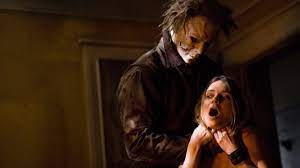
The film’s dark and moody cinematography effectively captures the eerie and oppressive atmosphere of Haddonfield on Halloween night. The use of shadow and darkness heightens the tension and creates an overwhelming sense of dread. Zombie’s penchant for close-ups during intense moments intensifies the emotional impact, allowing the audience to intimately connect with the characters’ fear and anguish.
In addition to the visuals, the film’s soundtrack plays a crucial role in shaping its atmosphere. Tyler Bates, who had previously worked with Rob Zombie on “The Devil’s Rejects,” delivers a haunting and evocative score that perfectly complements the film’s themes and emotions. The soundtrack incorporates familiar Halloween themes while also introducing new motifs, such as the eerie choral piece associated with the white horse symbolism.
One of the film’s polarizing aspects was its graphic and brutal violence. Rob Zombie is known for pushing the boundaries of on-screen gore, and “Halloween II” (2009) is no exception. While some horror enthusiasts appreciated the unflinching brutality as a way to intensify the horror experience, others found it gratuitous and excessive. The film’s violence, particularly during the climactic showdown between Laurie and Michael, serves as a visceral portrayal of the characters’ emotional and physical struggles.
Despite the mixed reception, “Halloween II” (2009) has garnered a cult following over the years. Its willingness to explore psychological elements and its unique character development set it apart from more formulaic horror films. The film’s exploration of the legacy of trauma and its impact on individuals resonated with some viewers, elevating it to more than just a standard slasher flick.
It is worth noting that Rob Zombie’s vision for the Halloween franchise is vastly different from John Carpenter’s original classic. Carpenter’s 1978 film left the enigmatic and terrifying Michael Myers largely unexplored, allowing the audience to project their fears onto the blank canvas of his character. In contrast, Zombie’s version delves deeply into Michael’s troubled past and psychological makeup, providing a more complex, albeit controversial, portrayal of the iconic killer.
“Halloween II” (2009) also poses intriguing questions about the nature of evil and the thin line between victim and perpetrator. It challenges the traditional archetype of the Final Girl, a trope in which the last surviving female character emerges victorious by overcoming the killer. In this film, Laurie Strode’s journey is much more complex, as she grapples not only with external threats but also with internal demons.
“Halloween II” (2009) stands as a polarizing entry in the Halloween franchise and the horror genre as a whole. Rob Zombie’s bold and unconventional approach to the characters and themes may not have resonated with all audiences, but it undoubtedly left a lasting impact on the horror landscape. The film’s psychological depth, visual style, and willingness to explore the complexities of its characters make it a thought-provoking addition to the iconic slasher series.
“Halloween II” (2009) is a film that invites audiences to delve into the darker aspects of the human psyche and the complexities of good and evil. While it may not have achieved the same level of mainstream success as other entries in the franchise, it remains a significant and noteworthy contribution to the horror genre, showcasing Rob Zombie’s unique voice as a filmmaker and leaving a lasting impression on those who dare to venture into its disturbing and haunting world.
“Halloween II” (2009) is a film that continues to be discussed and debated by horror enthusiasts. Rob Zombie’s unique vision and willingness to explore the psychological aspects of the characters set it apart from other slasher films. The film’s themes of evil, identity, and fate, as well as its effective use of symbolism, contribute to its lasting impact on the horror genre. Whether praised or criticized, “Halloween II” (2009) remains a noteworthy entry in the Halloween franchise and a testament to Rob Zombie’s distinct voice as a horror filmmaker.
Technical Commentary
Video
“Halloween II” stalks onto Blu-ray with a deliberately messy 1080p, 1.85:1-framed transfer. Shot on 16mm film stock, ”Halloween II” sports a consistently heavy grain field atop poorly-defined details and soft edges that, combined with the generally dark locations, gives the film a rough, disturbed, gritty appearance throughout. Rob Zombie’s ”Halloween II” is by no means a pretty film from a wholly visual perspective, nor is it meant to be so; still, Sony’s Blu-ray disc seems a faithful replica of the director’s vision.
Audio
“Halloween II” arrives on Blu-ray with a loud and aggressive DTS-HD MA 5.1 lossless soundtrack. Whether finer ambience or full-on powerful musical and sound effects, this mix delivers in spades, supporting the grisly visuals with blood-curdling and brain-splattering audio cues that push the sound system to its limits.
Special Features
- Audio Commentary by Writer-Director Rob Zombie
- Deleted and Alternate Scenes
- Audition Footage
- Make-Up Test Footage
- Bloopers
- Captain Clegg and the Night Creatures Music Videos
- Uncle Seymore Coffins’ Stand-Up Routines



 spryfilm.com