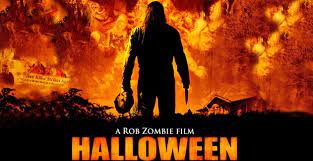
“Halloween” (2007)
Horror

Running Time: 110 minutes
Written and directed by: Rob Zombie
Featuring: Malcolm McDowell, Sheri Moon Zombie, Tyler Mane, Scout Taylor-Compton, Brad Dourif, Danielle Harris and William Forsythe
Dr. Samuel Loomis: “His eyes will deceive you; they will destroy you. They will take from you your innocence, your pride, and eventually your soul. These eyes do not see what you and I see. Behind these eyes one finds only blackness, the absence of light. These are the eyes of a psychopath.”
Critical Commentary
“Halloween”, released in 2007, is a contemporary reimagining of the iconic 1978 horror classic directed by John Carpenter. Directed by Rob Zombie, the film delves deeper into the origins and psyche of its notorious serial killer, Michael Myers. This essay aims to explore the significant aspects of “Halloween” (2007), its impact on the horror genre, and how it distinguishes itself from its predecessor while maintaining a respectful nod to the original masterpiece.
“Halloween” (2007) follows the story of Michael Myers, a young boy with a troubled upbringing, who becomes a cold-blooded killer as an adult. The film opens with a grim depiction of Michael’s family life, marked by abuse, neglect, and a dysfunctional environment. As he grows older, Michael’s violent tendencies become more apparent, leading him on a horrific path.
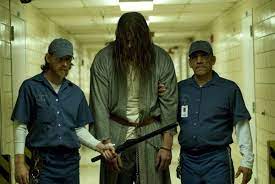
One fateful “Halloween” night, Michael goes on a brutal killing spree, targeting his family members and anyone else who crosses his path. He is eventually captured and placed in a mental institution under the care of Dr. Samuel Loomis. The film then shifts to fifteen years later, with an adult Michael escaping from the asylum and returning to his hometown of Haddonfield, Illinois.
Rob Zombie’s “Halloween” places a significant emphasis on character development, giving the audience a more profound understanding of Michael Myers and the supporting cast. Michael’s character receives an in-depth exploration, revealing the traumatic experiences that shape him into the monstrous killer he becomes. The film seeks to humanize Michael to some extent, presenting him as a product of his environment rather than a purely malevolent force.
The portrayal of Dr. Samuel Loomis, played by Malcolm McDowell, also differs from the original. Zombie’s Loomis is more flawed, struggling with his own ambition and the moral dilemma of dealing with Michael, whom he once cared for as a patient. Laurie Strode, played by Scout Taylor-Compton, is depicted as a more rebellious and edgy teenager, contrasting the more innocent version seen in Carpenter’s version.
“Halloween” (2007) explores several themes that were present in the original movie while introducing new elements that are unique to Zombie’s vision. Themes of evil, madness, and the cyclical nature of violence are central to both films. Zombie, however, adds a new layer of psychological complexity to these themes, highlighting the consequences of childhood trauma and the potential for evil to be born from a broken society.
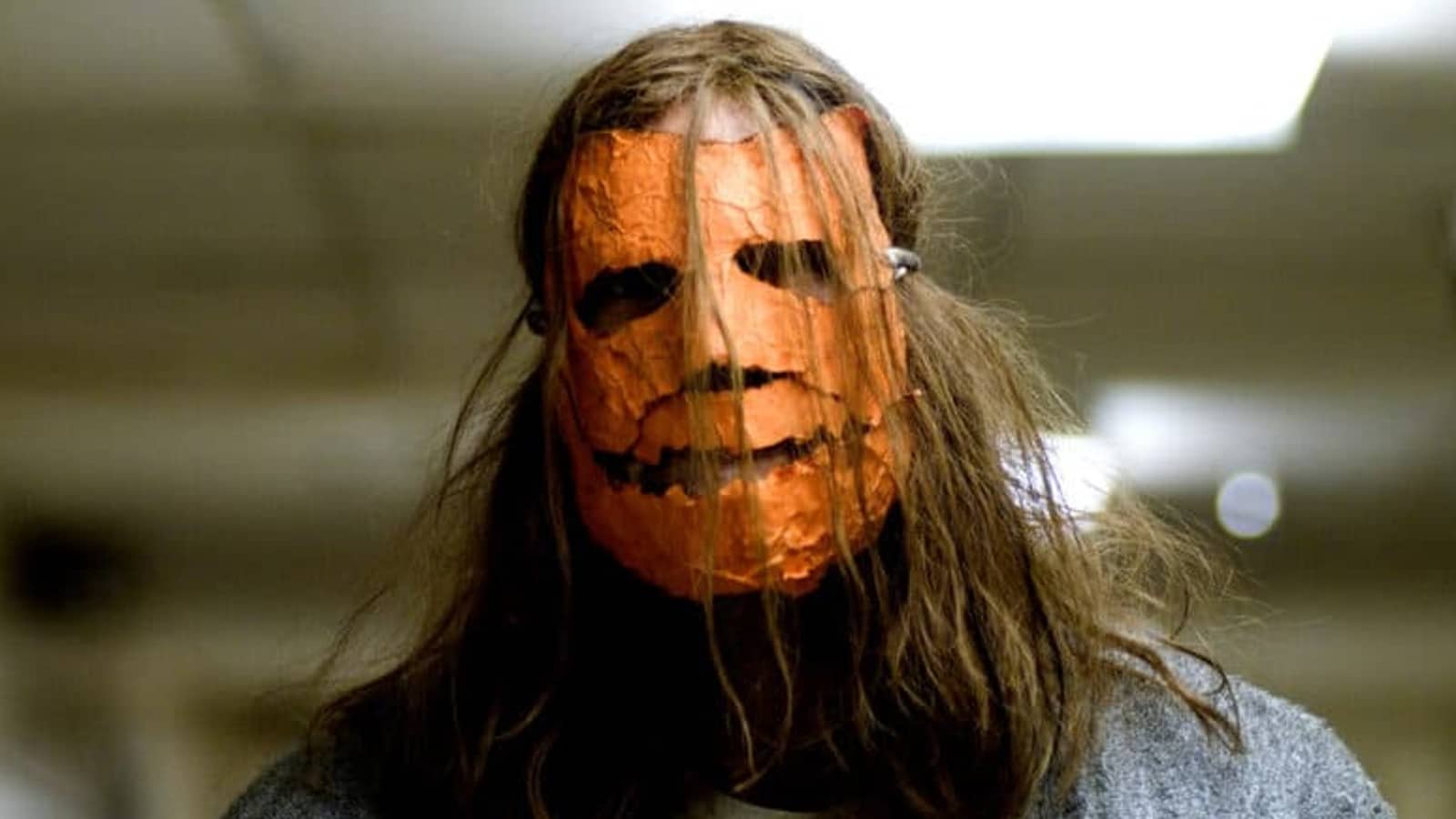
Symbolism plays a significant role in the film. The iconic white mask worn by Michael represents the faceless, inhuman nature of evil. It hides his true identity, mirroring his lost sense of self amidst his violent actions. The portrayal of masks and the concept of hiding behind a false facade are recurring motifs throughout the movie.
Rob Zombie masterfully crafts a haunting and atmospheric film, creating an immersive experience for the audience. The cinematography and visual aesthetics bring a gritty, realistic quality to the narrative, adding a visceral layer to the horror. The use of lighting and shadows enhances the suspense, capturing the essence of a dark and eerie “Halloween” night.
The choice of setting, the fictional town of Haddonfield, adds to the film’s ambiance. Zombie reimagines the town, presenting it as a decaying, morally corrupt place, reflecting the darker aspects of society that contribute to Michael’s transformation into a monster.
“Halloween” (2007) garnered mixed reactions from critics and fans alike. While some praised Zombie’s bold take on the material and his attempt to delve deeper into Michael’s psyche, others criticized the excessive violence and the character changes that deviated from the original.
Despite the divisive reception, “Halloween” (2007) undoubtedly left a mark on the horror genre. It opened doors for more remakes and reboots of classic horror films, with filmmakers seeking to reinterpret and reimagine beloved classics for modern audiences. Additionally, the film’s exploration of the “killer’s backstory” trend in horror laid the groundwork for future movies centred around infamous antagonists.
As with any remake or reimagining, “Halloween” (2007) invited debate among horror enthusiasts about its merits and whether it did justice to the original. Some argued that the film provided a refreshing take on Michael Myers, offering a more humanized and psychologically complex portrayal of the character. This approach, they contended, added depth to the story and made the horror more poignant by showing the genesis of evil in the context of societal dysfunction and trauma.
On the other hand, critics of the remake maintained that part of the terror in John Carpenter’s “Halloween” (1978) came from its minimalist approach, leaving Michael’s motives and origins shrouded in mystery. They argued that the 2007 remake’s extensive exploration of Michael’s backstory diminished the chilling effect of the masked killer, making him less mysterious and more comprehensible to the audience.
Rob Zombie’s filmmaking style has always been characterized by its visceral and gritty nature, and this was evident in “Halloween” (2007) as well. Some viewers appreciated the raw and unpolished presentation, believing it added to the film’s intensity and brutality. Zombie’s vision allowed him to delve into darker aspects of human nature and confront audiences with the grim realities that contribute to the making of a monster.
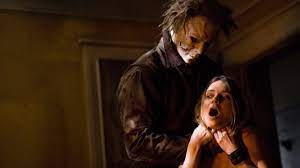
However, this level of brutality and violence was also a point of contention for some audiences. They argued that the graphic nature of the killings overshadowed the psychological horror that made the original “Halloween” so effective. While horror films are expected to be terrifying, the 2007 remake’s explicit violence and gore were seen by some as gratuitous and detracted from the suspense and subtlety that Carpenter’s version achieved.
Regardless of the polarized opinions, “Halloween” (2007) succeeded in reintroducing the iconic Michael Myers to a new generation of horror fans and reigniting interest in the “Halloween” franchise. It also paved the way for more horror remakes and reboots in subsequent years, as studios recognized the commercial potential in revitalizing classic horror films for contemporary audiences.
Beyond its impact on the horror genre, “Halloween” (2007) contributed to the ongoing discourse surrounding the nature of evil and the origins of darkness within individuals. By presenting a backstory for Michael Myers and offering glimpses into his troubled upbringing, the film delved into the age-old debate of nature versus nurture. This exploration prompted viewers to contemplate whether evil is innate or if it is a product of external factors, such as childhood trauma and societal influences.
In conclusion, “Halloween” (2007) stands as a bold and controversial reimagining of the 1978 horror classic. Rob Zombie’s rendition brought a darker and more psychological dimension to Michael Myers’ character, revealing the disturbing origins of evil within the iconic masked killer. While the film divided audiences and critics, it undeniably left a lasting impact on the horror genre, influencing subsequent remakes and character-focused horror films.
By humanizing the malevolent antagonist and diving into his past, “Halloween” (2007) forced viewers to confront the disturbing reality that evil can stem from the darkest corners of human existence. It added a new layer of complexity to the age-old tale of terror, challenging our understanding of the origins of evil and the thin line that separates a seemingly normal individual from a merciless killer.
In the years following its release, “Halloween” (2007) became a thought-provoking entry in the horror genre that encouraged audiences to look beyond the surface of evil and reflect on the deeper forces that shape our darkest impulses. Whether one embraces the film as a visionary reinvention or views it as a flawed attempt to reinterpret a classic, there is no denying that Rob Zombie’s “Halloween” left an indelible mark on the horror landscape and has secured its place in the pantheon of horror cinema.
“Halloween” (2007) stands as a noteworthy contribution to the horror genre, offering a contemporary reinterpretation of a beloved classic while injecting its unique narrative twists and characterizations. Rob Zombie’s exploration of Michael Myers’ origins and the themes of evil and madness adds a layer of depth to the story. While it may not have achieved the same universal acclaim as the original, the film remains relevant for its impact on the horror genre and its willingness to push boundaries in retelling an iconic tale of terror.
Technical Commentary
Video
“Halloween” stalks Blu-ray fans through its 1080p, 2.35:1-framed transfer. The picture quality is solid from beginning to end, but it never compares to the cream of the crop of high definition eye candy, an observation credited to the somewhat sombre, dark look of the film, particularly during the second half. The movie offers some bright interior and exterior shots during the first half, but the second half, taking place at night and in many poorly lit interior locales, takes on a whole different look and feel”Halloween” offers well above average, though never striking, high definition material.
Audio
Presented with a Dolby TrueHD 5.1 lossless soundtrack, “Halloween’s” audio quality is on par with the video. Dialogue reproduction is fine, and much of the movie is dialogue-centric, particularly the mid-section of the film, depicting a young, institutionalized Michael Myers. ”Halloween” offers listeners a strong, though not completely aggressive, soundtrack.
Special Features
- Unrated Director’s Cut Feature-Length Commentary by Writer-Director Rob Zombie
- Deleted Scenes with Optional Commentary
- Alternate Ending with Optional Commentary
- Bloopers
- The Many Masks of Michael Myers
- Reimagining “Halloween”
- Meet The Cast
- Casting Sessions
- Scout Taylor-Compton Screen Test
- Theatrical Trailer


 spryfilm.com