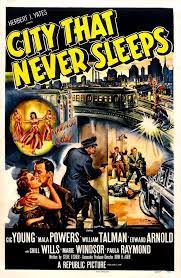
“City That Never Sleeps” (1953)
Drama

Running Time: 90 minutes
Written by: Steve Fisher
Directed by: John H. Auer
Featuring: Gig Young, Mala Powers, William Talman, Edward Arnold, Chill Wills, Marie Windsor and Paula Raymond
Sally ‘Angel Face’ Connors: “When I first came to this town I was gonna be – oh, there were a lot of things I was gonna do. Become famous. But Chicago’s the big melting pot, and I got melted, but good.”
Critical Commentary
“City That Never Sleeps” is a film noir released in 1953, directed by John H. Auer and starring Gig Young, Mala Powers, and William Talman. Set in Chicago, the film explores the darker side of the city and follows a night in the lives of various characters intertwined by their connection to the city’s underbelly.
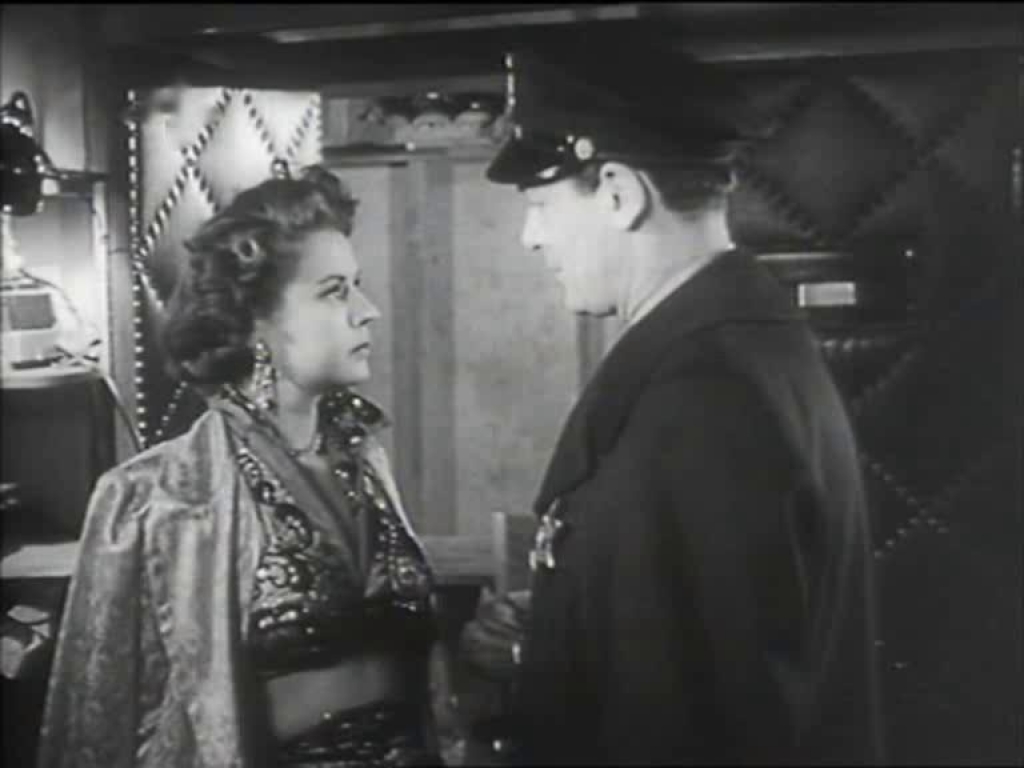
The film revolves around Johnny Kelly (played by Gig Young), a weary Chicago police officer who dreams of becoming a professional dancer. Johnny’s life takes a tumultuous turn when he becomes entangled with two women: his wife, Kathy (played by Mala Powers), and a seductive nightclub dancer named Sally “Angel Face” Connors (played by Marie Windsor).
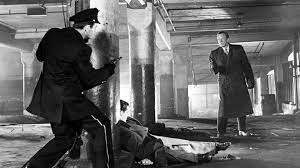
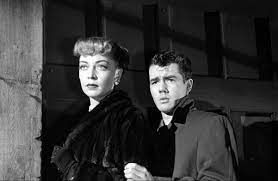
“City That Never Sleeps” captures the essence of film noir with its moody atmosphere, shadowy cinematography, and morally ambiguous characters. The narrative is driven by Johnny’s internal conflict between his duty as a police officer and his aspirations as a dancer. As the night progresses, he finds himself drawn deeper into a web of corruption, temptation, and betrayal.
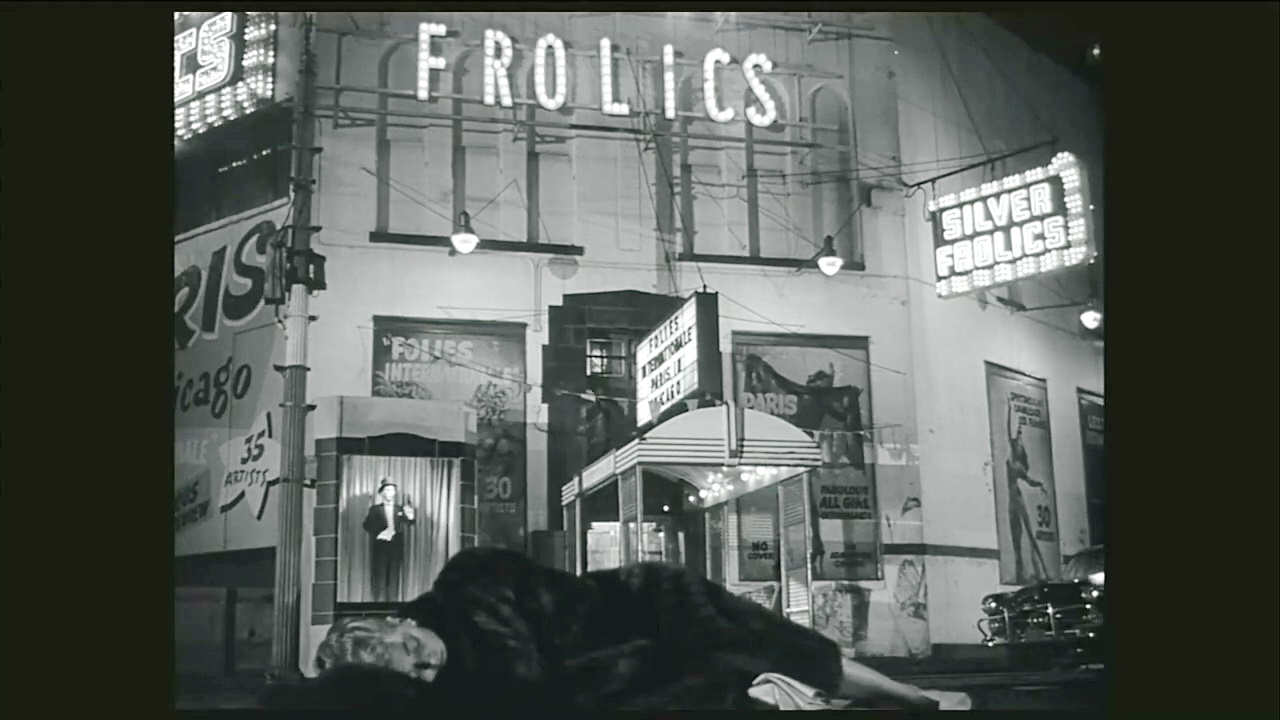
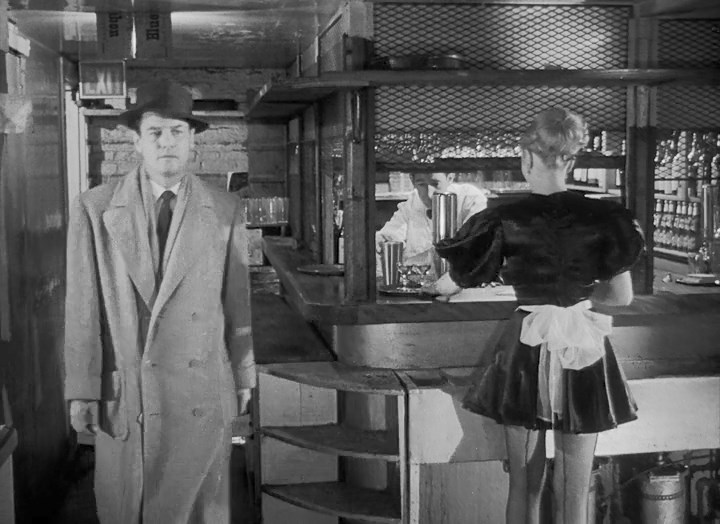
The film effectively portrays the seedy underbelly of Chicago, showcasing its gritty streets, smoky nightclubs, and morally bankrupt characters. The black-and-white cinematography enhances the sense of darkness and despair, creating a visually striking and atmospheric experience.
The performances in “City That Never Sleeps” are generally solid. Gig Young delivers a convincing portrayal of Johnny, capturing the character’s inner turmoil and conflicting desires. Mala Powers and Marie Windsor also deliver noteworthy performances, bringing depth and complexity to their respective roles.
One of the film’s strengths lies in its depiction of Chicago as a character itself. The city is presented as a captivating yet dangerous entity, with its allure and corruption intertwining to create a captivating backdrop for the story.
While “City That Never Sleeps” may not be as well-known as some other film noirs from the era, it offers an intriguing glimpse into the dark underbelly of a city and explores themes of ambition, temptation, and morality. Fans of classic film noir and those interested in atmospheric crime dramas may find it to be an engaging watch.
In addition to its atmospheric setting and morally complex characters, “City That Never Sleeps” also explores themes of redemption and the consequences of one’s actions. As Johnny Kelly finds himself torn between his duty as a police officer and his personal aspirations, he faces difficult choices that ultimately shape his destiny.
The film’s supporting cast also contributes to the overall narrative. William Talman delivers a memorable performance as Hayes Stewart, a charismatic and manipulative con artist who serves as a catalyst for much of the conflict in the story. His interactions with Johnny add an extra layer of tension and moral ambiguity to the plot.
The screenplay of “City That Never Sleeps” effectively combines elements of crime, romance, and noir aesthetics. It presents a series of interconnected storylines that intersect and collide throughout the night, leading to unexpected twists and revelations. The pacing is generally well-maintained, keeping the audience engaged and guessing about the characters’ true motives.
Moreover, the film benefits from its strong visual style, with well-executed cinematography and effective use of shadows and lighting. The noir aesthetic is further enhanced by the film’s evocative score, which complements the mood and intensifies the tension in key scenes.
While “City That Never Sleeps” may not be as widely recognized as some of the more iconic films of the film noir genre, it still captures the essence of the era and offers an engaging narrative with intriguing characters. It presents a dark and morally complex world, reminding viewers of the thin line that separates right from wrong and the consequences that follow one’s choices. “City That Never Sleeps” is a worthwhile film for fans of classic film noir and those interested in exploring the darker side of 1950s cinema. Its captivating atmosphere, morally ambiguous characters, and exploration of themes make it a notable entry in the genre’s canon.
In addition to its atmospheric qualities, “City That Never Sleeps” also delves into the psychology of its characters. It explores the inner conflicts and motivations that drive their actions, giving the film a deeper layer of complexity. Johnny Kelly, in particular, undergoes a transformation throughout the narrative as he confronts his own desires and confronts the consequences of his choices.
The film also highlights the disparities between dreams and reality. Johnny’s aspirations of becoming a professional dancer clash with the harsh reality of his job as a police officer. This struggle creates a sense of tension and adds depth to his character arc. The juxtaposition of the glamorous nightclub scene with the gritty underworld of Chicago further emphasizes the contrast between dreams and the harshness of the real world.
“City That Never Sleeps” also showcases the influence of fate and chance in shaping the characters’ lives. As the night unfolds, seemingly random encounters and decisions intertwine, leading to unexpected outcomes and exposing the characters to the consequences of their actions. This element of unpredictability adds suspense and keeps the audience engaged as they witness the characters’ destinies unfold.
Additionally, the film provides social commentary on the corrupting influence of power and the allure of easy money. It portrays a city where dishonesty and moral compromise prevail, highlighting the consequences of greed and the erosion of integrity. This thematic exploration adds depth to the narrative and reflects the societal concerns of its time.
While “City That Never Sleeps” may not be considered a masterpiece of the film noir genre, it offers an engaging story with strong performances and effective storytelling techniques. It captures the essence of the era and provides an entertaining and thought-provoking viewing experience.
“City That Never Sleeps” is a notable film noir from 1953 that captures the dark and morally complex atmosphere of the genre. Its exploration of themes such as ambition, morality, and the influence of fate, combined with its strong performances and visual style, make it a worthwhile watch for fans of classic film noir and those interested in the darker side of 1950s cinema.
The film’s portrayal of Chicago as a character itself is worth mentioning. The city is depicted as a sprawling, bustling metropolis with its own personality and allure. From the dimly lit alleys to the vibrant nightclubs, the city becomes an integral part of the story, heightening the sense of danger and excitement. The urban setting serves as a backdrop for the characters’ struggles and reflects the moral ambiguity that permeates their lives.
“City That Never Sleeps” also benefits from its tight and well-crafted screenplay. The dialogue is sharp and filled with noir-esque quips, contributing to the film’s overall atmosphere. The narrative keeps the audience engaged with its intricate web of relationships and the gradual unfolding of secrets and betrayals.
Furthermore, the film’s exploration of relationships and the complexities of human nature adds depth to its characters. The romantic entanglements, particularly the love triangle involving Johnny, Kathy, and Sally, illustrate the blurred boundaries between loyalty and temptation. The emotional conflicts and moral dilemmas faced by the characters make them relatable and multi-dimensional.
It’s worth noting that while “City That Never Sleeps” may adhere to some genre conventions of its time, it also injects unique elements that distinguish it from other film noirs. Its focus on the pursuit of personal dreams and aspirations, as well as its exploration of redemption and the consequences of one’s actions, add a layer of complexity and introspection to the story.
“City That Never Sleeps” is a compelling film noir from 1953 that skillfully captures the dark and morally ambiguous atmosphere of the genre. With its strong performances, atmospheric setting, and exploration of themes such as ambition, morality, and the influence of fate, the film remains a noteworthy entry in the film noir canon. Whether you’re a fan of classic cinema or a lover of atmospheric crime dramas, “City That Never Sleeps” offers an engaging and thought-provoking viewing experience.
Technical Commentary
Video
Presented in its original aspect ratio of 1.37:1, encoded with MPEG-4 AVC and granted a 1080p transfer, “City That Never Sleeps” arrives on Blu-ray courtesy of Via Vision Entertainment. The release is sourced from an older master that was supplied by Paramount Pictures. Despite a few light scratches that pop up here and there.
Audio
There is only one standard audio track on this Blu-ray release: English LPCM 2.0. Optional English SDH subtitles are provided for the main feature. The dialog is clear and easy to follow. Dynamic balance is good, but I had the volume on my system turned up quite a bit and noticed some sporadic unevenness here and there.
Special Features
- Commentary – in this exclusive new audio commentary, critic Imogen Sara Smith discusses the exact period in which City That Never Sleeps was produced, its stylistic appearance and themes (as well as sense of realism), John H. Auer’s cinematic style, etc.
- Interview with Kim Newman – in this exclusive new video interview, critic Kim Newman discusses the conception and style of City That Never Sleeps, the emergence of the documentary-noir films, John H. Auer’s career, etc. In English, not subtitled. (26 min).
 spryfilm.com