
“Beware, My Lovely” (1952)
Drama

Running Time: 77 minutes
Written by: Mel Dinelli
Directed by: Harry Horner
Featuring: Ida Lupino, Robert Ryan and Taylor Holmes
Howard Wilton: “You think I’m funny?”
Ruth Williams: “Not particularly.”
Howard Wilton: “I don’t like being laughed at.”
Ruth Williams: “Well, aren’t you the bundle of nerves! Listen, you. I don’t see many men around polishing floors. It’s a woman’s job. Who do you think you are? Seems to me there’s better ways for a man to make a living.”
Critical Commentary
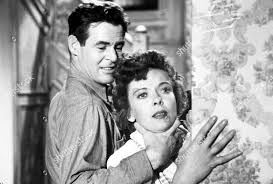
“Beware, My Lovely” is a psychological thriller film released in 1952, directed by Harry Horner and starring Ida Lupino and Robert Ryan. Set in a small town, the movie revolves around a recently widowed woman, Helen Gordon (Ida Lupino), who hires a handyman, Howard Wilton (Robert Ryan), to help with chores around her house. As the story unfolds, it becomes clear that Howard has a dark secret, and Helen finds herself in grave danger.
The film is known for its atmospheric tension and suspenseful narrative. Ida Lupino delivers a strong performance as Helen, portraying a vulnerable yet determined character who becomes increasingly fearful of Howard’s true nature. Robert Ryan, on the other hand, is menacing and captivating as the handyman, skilfully creating an air of unpredictability and danger.
One of the film’s notable strengths is its effective use of the confined setting. Taking place mostly within the confines of Helen’s house, the claustrophobic atmosphere adds to the sense of unease and heightens the tension between the two central characters. The tight spaces and dimly lit rooms create an environment that amplifies the feeling of impending danger.
The pacing of “Beware, My Lovely” is deliberately slow, allowing the tension to build gradually. While some viewers might find the film’s pacing a bit sluggish by today’s standards, it serves the purpose of building suspense and creating an unsettling atmosphere. The movie focuses more on psychological manipulation and character dynamics rather than relying on action-packed sequences.
The film’s cinematography and lighting choices contribute significantly to the overall mood. The use of shadows, low lighting, and careful camera angles adds to the film noir aesthetic, enhancing the sense of mystery and suspense. The black-and-white visuals effectively capture the bleakness of the story and the characters’ emotional turmoil. However, it’s worth noting that “Beware, My Lovely” does suffer from certain limitations. The film adheres to some of the conventions of its time, such as limited representation and character development for supporting roles, which can be seen as a drawback from a modern perspective. Additionally, the story’s resolution may feel somewhat rushed and less satisfying for some viewers.
“Beware, My Lovely” is a compelling psychological thriller that showcases strong performances from its lead actors. While it may feel dated in certain aspects, it remains a notable entry in the film noir genre, effectively creating an atmosphere of suspense and unease. If you appreciate classic thrillers and enjoy psychological character studies, this film is worth watching.
The film’s screenplay, written by Mel Dinelli, effectively captures the psychological tension between Helen and Howard. It delves into themes of fear, manipulation, and the vulnerability of the human psyche. The dialogue is sharp and impactful, conveying the characters’ emotions and their psychological power struggle.
Ida Lupino’s portrayal of Helen is particularly noteworthy. She brings depth and nuance to her character, effectively conveying the fear and determination of a woman trapped in a dangerous situation. Lupino’s performance showcases her versatility as an actress, capturing both the fragility and strength of Helen’s character. Robert Ryan’s portrayal of Howard Wilton is equally compelling. He delivers a chilling performance, exuding an eerie charm that hides his sinister intentions. Ryan’s ability to switch between moments of calmness and explosive anger adds layers to the character, keeping the audience on edge throughout the film.
The film’s director, Harry Horner, creates a palpable sense of suspense and unease through his skillful direction. He utilizes various techniques, such as tight framing, long takes, and subtle camera movements, to heighten the tension and emphasize the psychological turmoil experienced by the characters.
The music by composer Leith Stevens further enhances the film’s atmosphere. The haunting and suspenseful score complements the visuals and helps to create an unsettling mood. The music effectively builds tension during key moments, contributing to the overall sense of dread.
As a psychological thriller, “Beware, My Lovely” focuses more on the psychological aspects of the story rather than relying on excessive violence or action. It explores the fear and vulnerability that can arise from the presence of a dangerous individual, showcasing the power of psychological manipulation. While “Beware, My Lovely” may not be as widely known as some other films from the film noir era, it remains a captivating and well-crafted thriller that deserves recognition. It offers an intriguing exploration of human psychology and showcases strong performances from its lead actors. If you enjoy atmospheric and psychologically driven films, “Beware, My Lovely” is definitely worth a watch.
One of the strengths of “Beware, My Lovely” lies in its exploration of gender dynamics and power struggles. The film depicts Helen as a vulnerable widow who becomes increasingly trapped and threatened by Howard’s manipulation. It examines the notion of a woman’s trust being exploited by a malevolent force, highlighting the dangers and fears that can arise from such situations.
The film’s setting, a small town in the 1950s, adds to the sense of isolation and vulnerability experienced by Helen. The tight-knit community and lack of resources make it difficult for her to find help or escape her predicament. This amplifies the tension and makes her plight all the more intense. Furthermore, “Beware, My Lovely” provides social commentary on post-war America and the impact of World War II on individuals. Howard, a war veteran suffering from post-traumatic stress disorder, represents the unseen psychological scars left by the war. The film explores the consequences of untreated trauma and its potential to manifest in dangerous and unpredictable ways.
The film’s cinematography and production design also contribute to its effectiveness. The use of shadows, dimly lit rooms, and carefully composed shots creates an atmosphere of suspense and unease. The production design effectively captures the era’s aesthetic, adding an additional layer of authenticity to the story.
Although “Beware, My Lovely” was made in the 1950s, its themes and the performances by Ida Lupino and Robert Ryan still resonate with contemporary audiences. The film explores psychological manipulation and the vulnerability of individuals, making it a timeless tale that continues to captivate viewers. “Beware, My Lovely” is a compelling psychological thriller that skilfully delves into the dark recesses of the human mind. With strong performances, atmospheric cinematography, and a thought-provoking exploration of power dynamics, the film remains relevant and engaging even today. If you enjoy classic suspenseful movies that delve into the complexities of human psychology, “Beware, My Lovely” is definitely worth checking out.
One aspect worth mentioning is the film’s commentary on societal expectations and the role of women during the time period. Helen, as a widow, finds herself in a vulnerable position, grappling with societal pressures to conform to traditional gender roles. The film explores the challenges she faces as she navigates her independence and attempts to assert herself in a threatening situation. This theme adds depth to the story and provides a social context that resonates with audiences.
The character of Howard Wilton is also a fascinating study in manipulation and control. As the handyman, he initially presents himself as helpful and polite, masking his true intentions. This gradual reveal of his sinister nature creates a sense of dread and raises questions about the dangers lurking beneath seemingly harmless facades. Howard’s manipulation tactics and psychological warfare make him a compelling and complex antagonist.
Another noteworthy aspect of “Beware, My Lovely” is its exploration of fear and its psychological effects. The film effectively captures Helen’s growing paranoia and anxiety as she becomes more aware of the danger she is in. This examination of fear and its impact on one’s mental state adds a psychological depth to the narrative, heightening the suspense and keeping the audience on the edge of their seats.
Additionally, the film’s limited setting and the intimacy between the two main characters contribute to the building tension. The confined spaces of Helen’s house create a sense of claustrophobia, intensifying the feeling of entrapment. This adds to the suspense as the audience witnesses the psychological battle unfolding between Helen and Howard within this enclosed environment. “Beware, My Lovely” showcases the strengths of the film noir genre with its moody atmosphere, moral ambiguity, and exploration of the darker aspects of human nature. It effectively blends elements of psychological thriller, crime, and drama, creating a captivating and suspenseful viewing experience.
“Beware, My Lovely” is a thought-provoking and suspenseful film that delves into themes of manipulation, fear, and societal expectations. With its strong performances, atmospheric setting, and psychological depth, the movie continues to be relevant and engaging for audiences interested in classic thrillers and character-driven narratives.
Technical Commentary
Video
There are some mild noise issues in certain landscape shots, but this image is generally attractive. Blacks are luscious, and background clarity enhances the film’s occasionally clever blocking. Textures, particularly of the sand that plays a pivotal role in the narrative, are well-detailed. There is a substantial amount of detail present throughout with subtle textures on the outfits and in the environments and production design. The contrast is steady with only a minor level of density fluctuation in the print. Black levels are pretty solid but could be given a bit more depth. There are no substantial occurrences of black crush or compression artefacts across the five films. The black-and-white photography holds up well across every film as they make the most of their high definition presentation with natural grain intact.
Audio
The soundtrack is clean and packs a bit of nicely understated oomph. Franz Waxman’s score is irritating, but it sounds great. The Blu-Ray set comes with a pretty solid LPCM 2.0 track for each of these five films that presents them well even with some years under their belt. Dialogue comes through clearly without sounding gauzy or weak. It is balanced well with the environmental elements so important elements stay prominent in the mix.
Special Features
- 1080p High-definition presentation on Blu-ray from a 2021 4K scan
- NEW Audio Commentary by professor and film scholar Jason Ney
- NEW Author/film historian Pamela Hutchinson on Ida Lupino
- Original Aspect Ratio 1.37:1
- Audio English LPCM 2.0 Mono
- Optional English HOH subtitles



 spryfilm.com